
 They have released a promotional video that highlights wildlife as a key part of the experience, while also emphasizing that it’s not the sole focus. The video underscores the inspiration found in the African people and their ambitious dreams.
What Can You Experience in Uganda?
1. Uganda Gorilla Safaris
At the top of every Uganda travel list, gorilla safaris offer the chance to encounter one of the rarest animals in the world. Uganda, along with its neighboring Rwanda, shoulders the immense responsibility of conserving populations of these critically endangered species. These conservation efforts are funded, in part, by the trekking fees for this once-in-a-lifetime experience.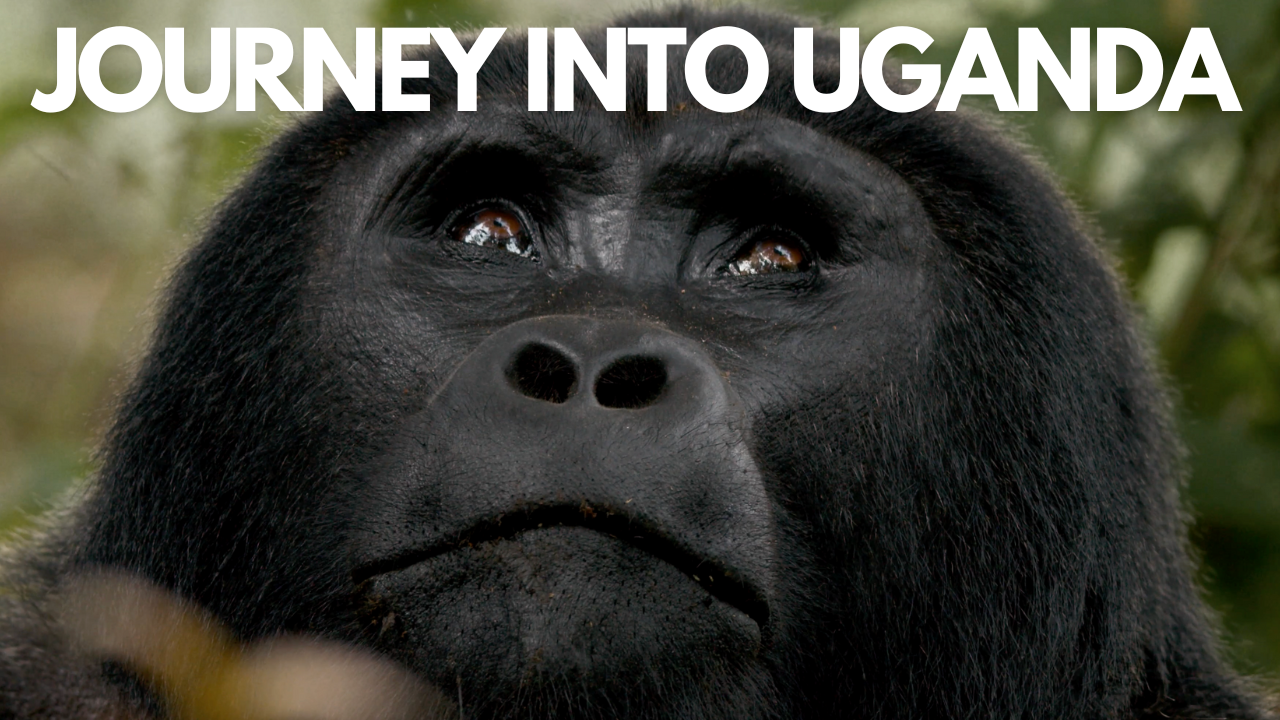 With the distinctive crunch of undergrowth beneath your boots, you will trek with great anticipation until you hear the whispered words, “They are here.”
2. Bwindi Impenetrable National Park
The Batwa tribe, known as the ‘Keepers of the Forest,’ was displaced from Bwindi Impenetrable National Park when it was established to protect the gorillas. One of the oldest surviving indigenous tribes in Africa, they share a unique and deeply intertwined relationship with Uganda’s rainforest. Traditionally hunter-gatherers, the Batwa were completely dependent on the forest for survival, and with no skills or means to adapt to modern life, they struggled tremendously after their displacement, falling victim to early exploitative tourism. Thankfully, this situation is changing. Ironically, tourism now plays a pivotal role in preserving both the Batwa people and their ancient culture. Organizations like the Batwa Development Program have pioneered responsible tourism encounters that allow visitors to experience the forest through the Batwa’s eyes. These experiences offer an immersive look into their foraging and food preparation techniques, their traditional hunting methods (using bows and arrows to hunt small game), their ancient practices of medicine making, and their symbiotic relationship with the natural world.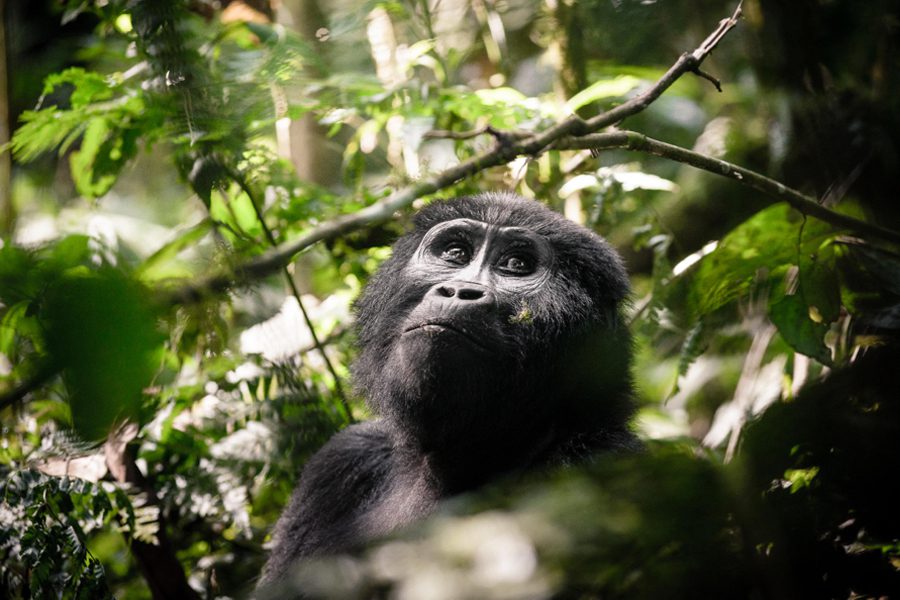 These excursions not only provide direct income for the guides but also help raise awareness and generate additional funding for education and community development.
You’ll then come face-to-face with a family of gorillas, left in awe by the striking similarities between humans and apes, and humbled by nature’s remarkable creativity. The ideal time to visit Uganda for gorilla trekking is during the country’s two dry seasons: between December and February, and between June and August. Thanks to these conservation efforts, gorilla populations are steadily increasing.
These excursions not only provide direct income for the guides but also help raise awareness and generate additional funding for education and community development.
You’ll then come face-to-face with a family of gorillas, left in awe by the striking similarities between humans and apes, and humbled by nature’s remarkable creativity. The ideal time to visit Uganda for gorilla trekking is during the country’s two dry seasons: between December and February, and between June and August. Thanks to these conservation efforts, gorilla populations are steadily increasing.
3. Karamoja
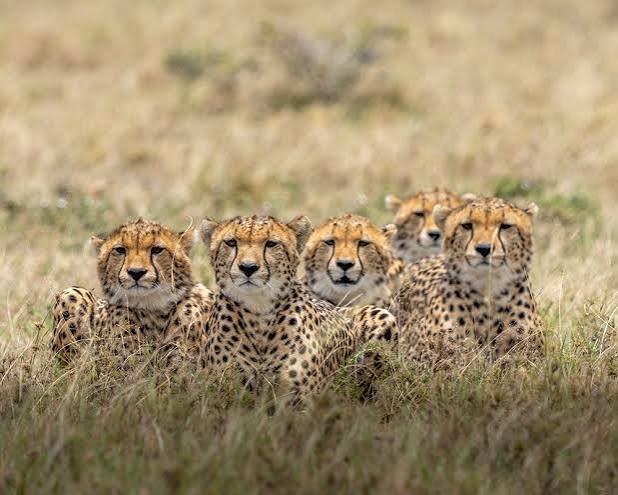
If untamed and remote destinations captivate your adventurous spirit, and you’re drawn to the parts of the map that start to fade into emptiness, then head north into Karamoja. In this strikingly harsh landscape of semi-arid savanna and sharply defined mountains, nestled against the border with South Sudan, you’ll find Kidepo National Park.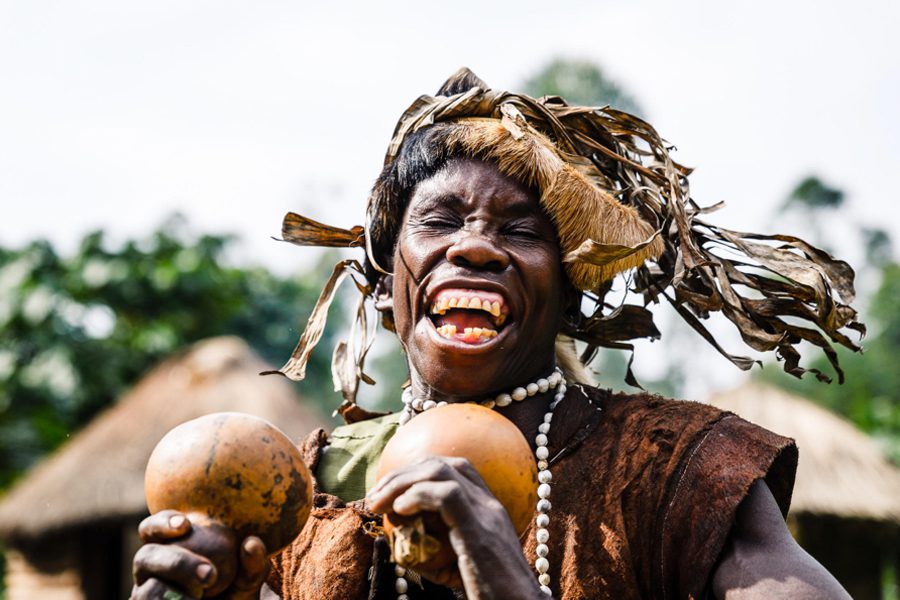 This rugged, isolated wilderness offers thrilling game drives and guided walks, bringing you up close to extraordinary big cat sightings, including cheetahs, lions, and leopards, as well as vast herds of buffalo. For birdwatchers, the park is a paradise, with a diverse array of bird species, including sixty that are found nowhere else in Uganda’s safari parks. Additionally, you can embark on more challenging treks into the mountains to visit the Ik people, one of the world’s most isolated and marginalized communities.
4. Murchison Falls National Park: Uganda’s Largest Safari Park
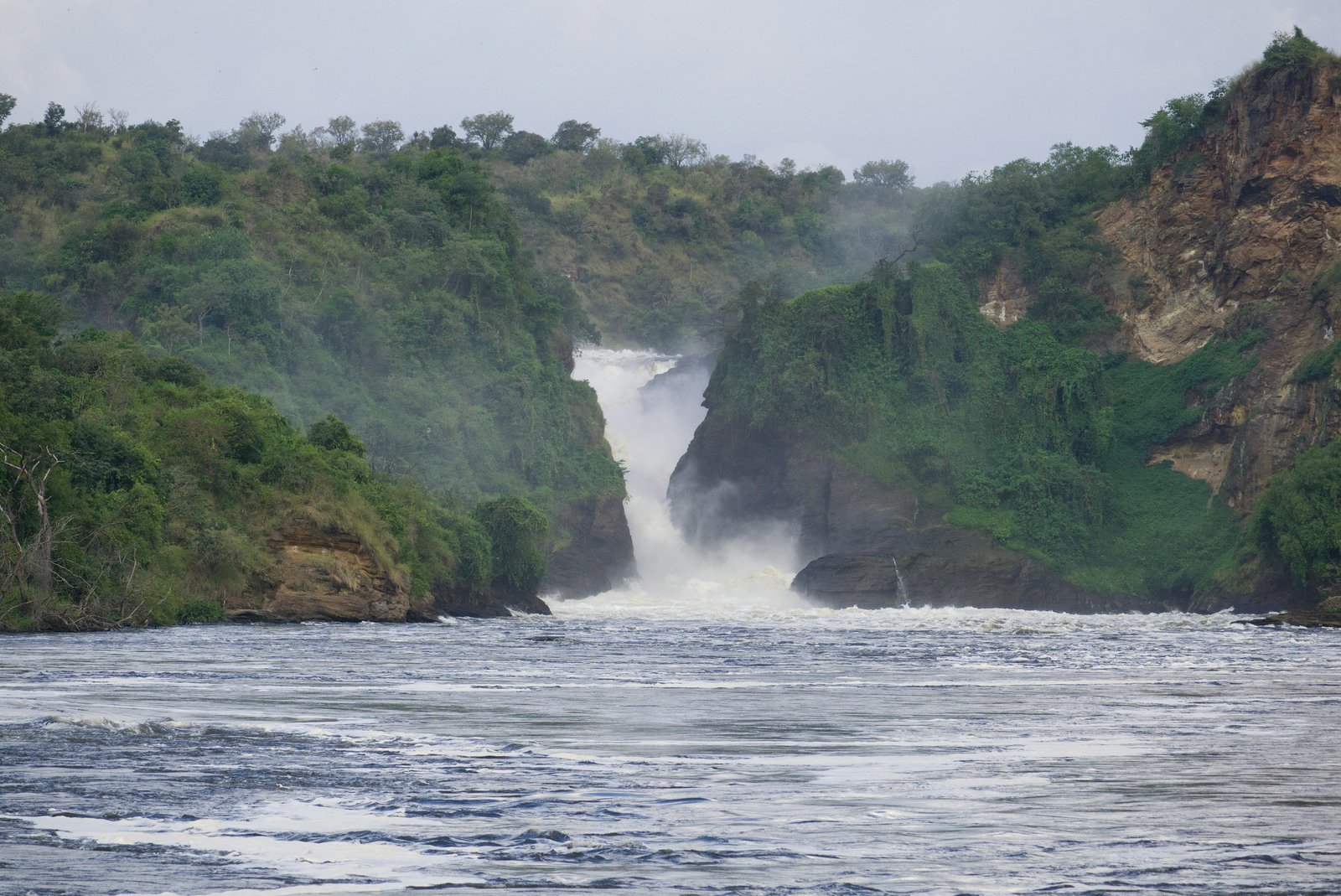
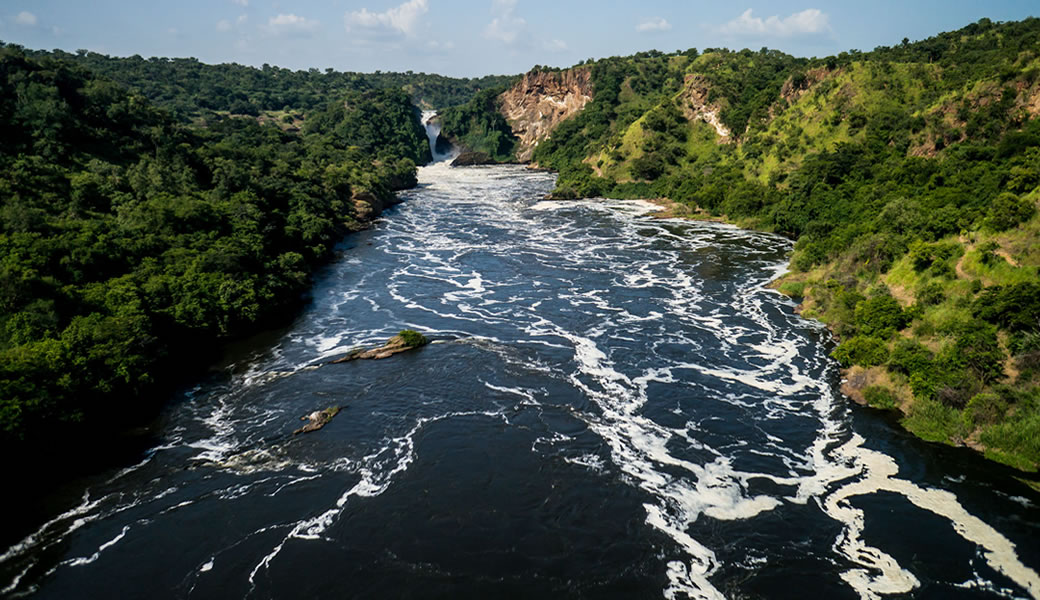
For those who seek water-based adventures, Murchison Falls National Park is a must-visit. A stunning, protected savannah where the River Nile meets Lake Albert, it offers both shared and private boat safaris to Murchison Falls, where you can complete the final stretch of the journey on foot. You can also cruise along the papyrus-lined waterways to the river delta, keeping an eye out for the solemn-looking Shoebill Stork, perhaps distracted by the distant blue hills of the Congo across the lake. This is one of the most highly recommended places to visit in Uganda, celebrated for both its abundant wildlife and its awe-inspiring natural beauty.5. Queen Elizabeth National Park
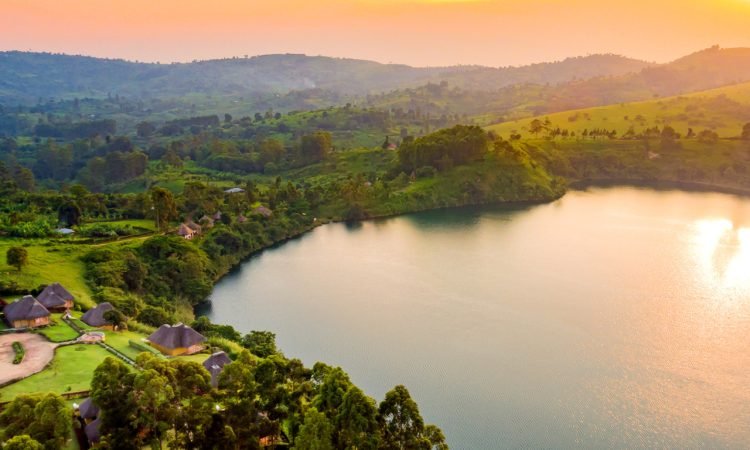
Queen Elizabeth National Park, a designated UN Biosphere Reserve, is arguably Uganda’s most popular safari destination. Located in the western part of the country, near the Rwenzori Mountains, the park features a rich variety of landscapes, including wetlands, swamps, crater lakes, tropical forests, woodlands, and open savanna. Here, you’ll have the opportunity to get up close with some of Africa’s most iconic wildlife, including 20 species of carnivores and 10 types of primates. Notably, the park is one of only two places in Africa where lions are known to climb trees, making it a rare and extraordinary safari experience. You can observe them lounging in the branches of towering fig and acacia trees, especially in the park’s southern region.