
CLOTHING
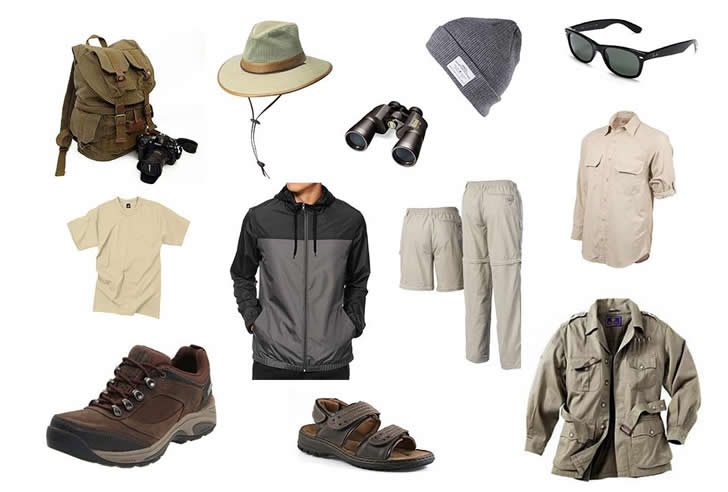 As always, dress in natural colors to blend seamlessly with your surroundings. Opt for greens, greys, and browns in lightweight, moisture-wicking materials. Avoid camouflage, as it is illegal for civilians to wear in many regions. Refrain from wearing animal prints, as the gorillas might become startled by the appearance of something resembling a predator, like a leopard.
While it can be hot, it is advisable to wear long-sleeved shirts and trousers. Some of the vegetation may be prickly, and covering your arms and legs will protect them from scratches and insects.
Some trekkers also choose to wear gardening gloves, allowing them to grasp plants and branches for support without the risk of injuring their hands.
Be sure to bring the most supportive waterproof boots you can find. Treks may last up to eight hours in muddy conditions, making ankle support and traction essential.
Wear thin moisture-wicking socks underneath thicker cotton socks to help prevent blisters.
As always, dress in natural colors to blend seamlessly with your surroundings. Opt for greens, greys, and browns in lightweight, moisture-wicking materials. Avoid camouflage, as it is illegal for civilians to wear in many regions. Refrain from wearing animal prints, as the gorillas might become startled by the appearance of something resembling a predator, like a leopard.
While it can be hot, it is advisable to wear long-sleeved shirts and trousers. Some of the vegetation may be prickly, and covering your arms and legs will protect them from scratches and insects.
Some trekkers also choose to wear gardening gloves, allowing them to grasp plants and branches for support without the risk of injuring their hands.
Be sure to bring the most supportive waterproof boots you can find. Treks may last up to eight hours in muddy conditions, making ankle support and traction essential.
Wear thin moisture-wicking socks underneath thicker cotton socks to help prevent blisters.
GEAR
 While not essential for everyone, trekking poles can provide valuable balance and support. Practice with them on a few hikes at home first, as they may take some getting used to.
Invest in a pair of gaiters to keep water, stones, mud, and sand out of your boots. Knee-high gaiters will also keep the bottoms of your trousers dry.
A Camelbak water pouch will allow you to hydrate while keeping your hands free. It’s crucial to stay hydrated, especially at higher altitudes.
If you are offered the option of a porter to carry your pack, please consider hiring (and tipping) them. Many porters are former poachers who rely on trekking income to support their families and avoid returning to poaching.
While not essential for everyone, trekking poles can provide valuable balance and support. Practice with them on a few hikes at home first, as they may take some getting used to.
Invest in a pair of gaiters to keep water, stones, mud, and sand out of your boots. Knee-high gaiters will also keep the bottoms of your trousers dry.
A Camelbak water pouch will allow you to hydrate while keeping your hands free. It’s crucial to stay hydrated, especially at higher altitudes.
If you are offered the option of a porter to carry your pack, please consider hiring (and tipping) them. Many porters are former poachers who rely on trekking income to support their families and avoid returning to poaching.
Our top tips for first-time gorilla trekkers:
Expeditions are guided by professional guides and trackers, and locating a family group can take anywhere from two to eight hours. You will not be left behind or expected to rush—your guide will pause regularly to allow you to rest and refresh. Once a family is located, you will spend 40 minutes to an hour observing them from a safe, government-mandated distance. Be sure to take photos (without using a flash or making loud mechanical sounds), and take time to appreciate their remarkably human-like gestures, interactions, and emotions. While habituated gorillas will tolerate human presence, it is important not to disturb or upset the group with sudden movements, noise, or eating.
Prepare for plenty of insects—common in any rainforest environment—but well worth enduring for the incredible experience of seeing gorillas and being in such an untouched place.
Pack as lightly as possible. may need to take a light to your lodge or camp, which will have strict baggage size and limits. If you are traveling to another destination after gorilla trek, request your African Safari Expert to arrange for safe storage of your extra luggage.
Once a family is located, you will spend 40 minutes to an hour observing them from a safe, government-mandated distance. Be sure to take photos (without using a flash or making loud mechanical sounds), and take time to appreciate their remarkably human-like gestures, interactions, and emotions. While habituated gorillas will tolerate human presence, it is important not to disturb or upset the group with sudden movements, noise, or eating.
Prepare for plenty of insects—common in any rainforest environment—but well worth enduring for the incredible experience of seeing gorillas and being in such an untouched place.
Pack as lightly as possible. may need to take a light to your lodge or camp, which will have strict baggage size and limits. If you are traveling to another destination after gorilla trek, request your African Safari Expert to arrange for safe storage of your extra luggage.