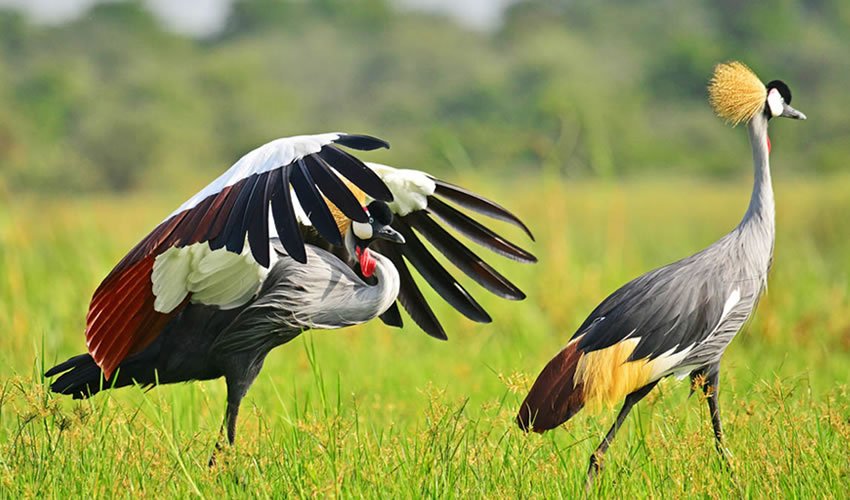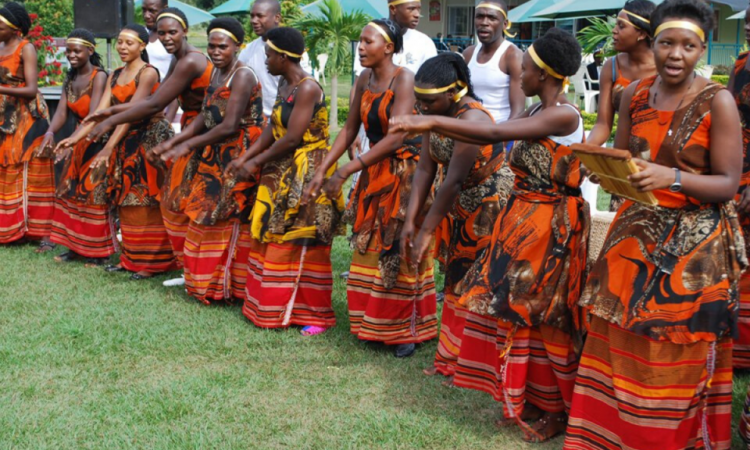

 A journey through Uganda’s cultural landscape offers an enriching experience where visitors can delve into the traditions of various ethnic groups, explore ancient customs, and witness the living heritage of this unique land.
A Tapestry of Tribes
Uganda is a melting pot of over 50 distinct ethnic groups, each contributing to the nation’s cultural tapestry. Among the most prominent are the Baganda, Basoga, Bakiga, Batooro, Banyankore, and Bakonjo. Each group has its own language, customs, and traditional practices, which come together to form a vibrant cultural mosaic. The Baganda: The Baganda people, residing in the central region of Uganda, are known for their rich history and the Buganda Kingdom, one of the most prominent traditional kingdoms in Uganda.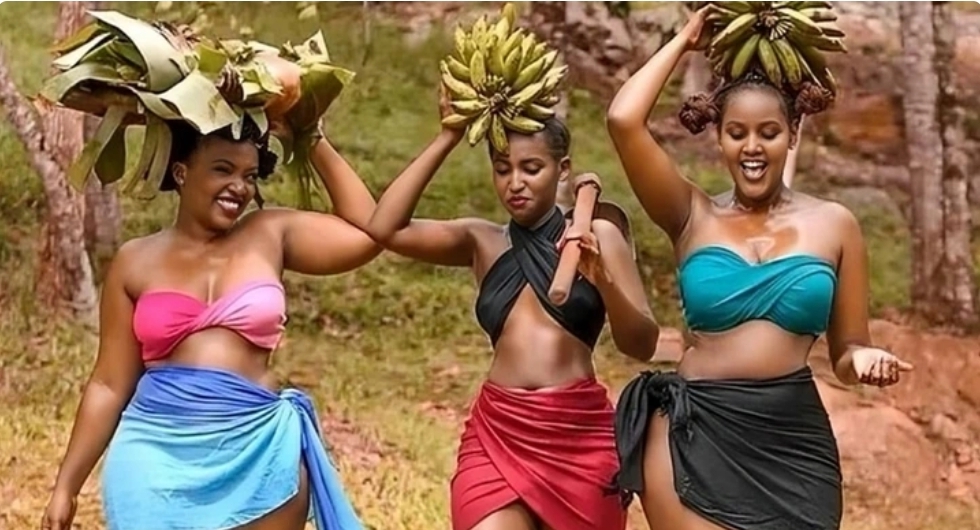 Visitors can explore the royal palace of the Kabaka (king) in Kampala, experience traditional music and dance performances, and marvel at the unique architecture of the Baganda homesteads.
The Basoga: In the eastern region of Uganda, the Basoga people are renowned for their vibrant culture and intricate beadwork.
The Basoga’s traditional ceremonies, such as the Ekyooto, a festival celebrating the harvest, provide visitors with an opportunity to witness traditional dance, music, and the Basoga’s deep connection to their land.
The Bakiga: The Bakiga, from the southwestern part of Uganda, are known for their rich agricultural traditions and the celebration of the annual Kigezi Cultural Festival. This festival showcases traditional dance, music, and storytelling, offering insights into the Bakiga’s way of life.
The Batooro and Banyankore:
In western Uganda, the Batooro and Banyankore people share a rich cultural heritage that includes traditional ceremonies like the Omugwa (cattle festival) and the Nguvumali (harvest festival).
These festivals highlight the importance of agriculture and cattle in the life of these communities.
The Bakonjo: The Bakonjo people, who live around the Rwenzori Mountains, have a unique cultural heritage shaped by their mountainous environment. Traditional ceremonies, such as the Rwenzori Cultural Festival, celebrate the Bakonjo’s customs, including their distinctive dances and rituals.
Visitors can explore the royal palace of the Kabaka (king) in Kampala, experience traditional music and dance performances, and marvel at the unique architecture of the Baganda homesteads.
The Basoga: In the eastern region of Uganda, the Basoga people are renowned for their vibrant culture and intricate beadwork.
The Basoga’s traditional ceremonies, such as the Ekyooto, a festival celebrating the harvest, provide visitors with an opportunity to witness traditional dance, music, and the Basoga’s deep connection to their land.
The Bakiga: The Bakiga, from the southwestern part of Uganda, are known for their rich agricultural traditions and the celebration of the annual Kigezi Cultural Festival. This festival showcases traditional dance, music, and storytelling, offering insights into the Bakiga’s way of life.
The Batooro and Banyankore:
In western Uganda, the Batooro and Banyankore people share a rich cultural heritage that includes traditional ceremonies like the Omugwa (cattle festival) and the Nguvumali (harvest festival).
These festivals highlight the importance of agriculture and cattle in the life of these communities.
The Bakonjo: The Bakonjo people, who live around the Rwenzori Mountains, have a unique cultural heritage shaped by their mountainous environment. Traditional ceremonies, such as the Rwenzori Cultural Festival, celebrate the Bakonjo’s customs, including their distinctive dances and rituals.
Traditional Crafts and Artistry
Uganda’s cultural mosaic is vividly expressed through its traditional crafts and artistry. From intricately woven baskets to beautifully crafted wooden masks, these artisanal products not only reflect the skill and creativity of the Ugandan people but also serve as important symbols of cultural identity. Beadwork: The Basoga and other ethnic groups are known for their elaborate beadwork, which includes necklaces, bracelets, and decorative items. These beadworks often have symbolic meanings and are used in traditional ceremonies and rituals. Wood Carving: The Bakiga and Banyankore are renowned for their wood carving skills, producing masks, sculptures, and household items that are both functional and aesthetically pleasing. These carvings often depict animals, ancestors, and other significant cultural symbols. Textiles: Traditional Ugandan textiles, such as bark cloth and kitenge, are made using age-old techniques. Bark cloth, made from the inner bark of trees, has been used for centuries for clothing and ceremonial purposes. Kitenge, a colorful fabric, is often worn during festivals and celebrations.
Festivals and Celebrations
Uganda’s cultural festivals offer a window into the country’s rich heritage and provide a vibrant backdrop for experiencing traditional music, dance, and cuisine. The Kigezi Cultural Festival: Held in the southwestern region of Uganda, this festival celebrates the culture of the Bakiga people. Visitors can enjoy traditional music and dance performances, as well as sample local dishes and participate in cultural activities. The Rwenzori Cultural Festival: Celebrated in the Rwenzori Mountains, this festival highlights the cultural heritage of the Bakonjo people. The festival features traditional dances, storytelling, and crafts, offering a unique glimpse into the life of the Bakonjo community.
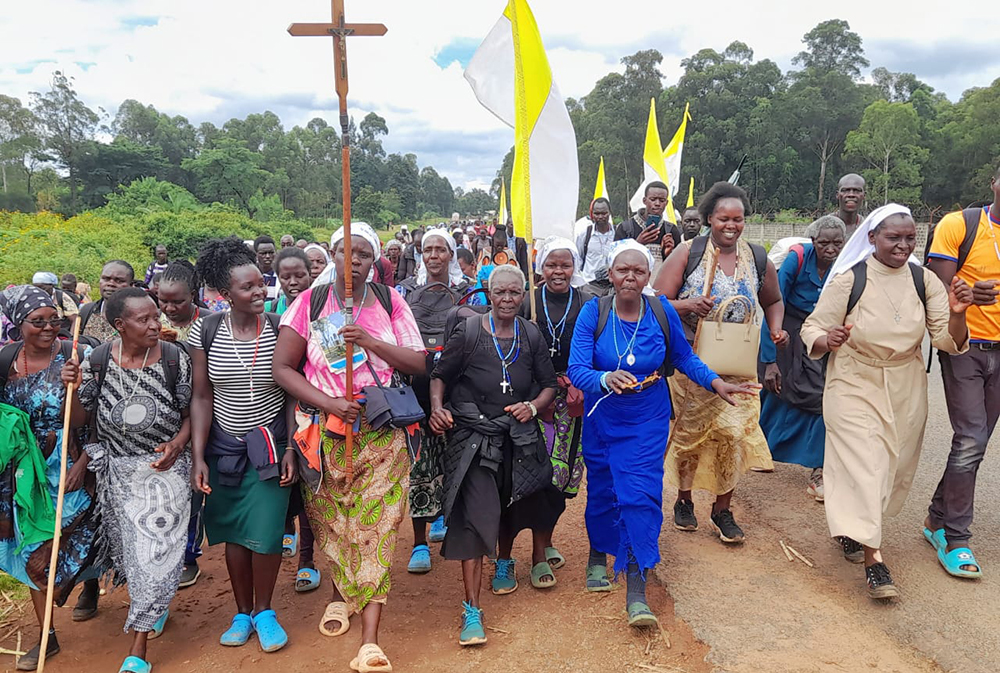
The Uganda Martyrs Day: Observed on June 3rd, this day commemorates the Uganda Martyrs, a group of early Christian converts who were martyred in the late 19th century. The day is marked by religious ceremonies, processions, and cultural performances, reflecting Uganda’s Christian heritage.
The Rwenzori Cultural Festival: Celebrated in the Rwenzori Mountains, this festival highlights the cultural heritage of the Bakonjo people. The festival features traditional dances, storytelling, and crafts, offering a unique glimpse into the life of the Bakonjo community.
The Uganda Martyrs Day: Observed on June 3rd, this day commemorates the Uganda Martyrs, a group of early Christian converts who were martyred in the late 19th century. The day is marked by religious ceremonies, processions, and cultural performances, reflecting Uganda’s Christian heritage.
 The Kampala International Festival: This annual festival showcases Uganda’s diverse cultural heritage through music, dance, and arts from various ethnic groups. It is a celebration of Uganda’s rich cultural tapestry and offers a platform for local artists and performers.
Culinary Traditions
Ugandan cuisine is an integral part of the country’s cultural experience, with each region offering its own unique flavors and dishes. Traditional Ugandan meals often feature staple foods such as matoke (cooked green bananas), posho (maize porridge), and groundnut sauce.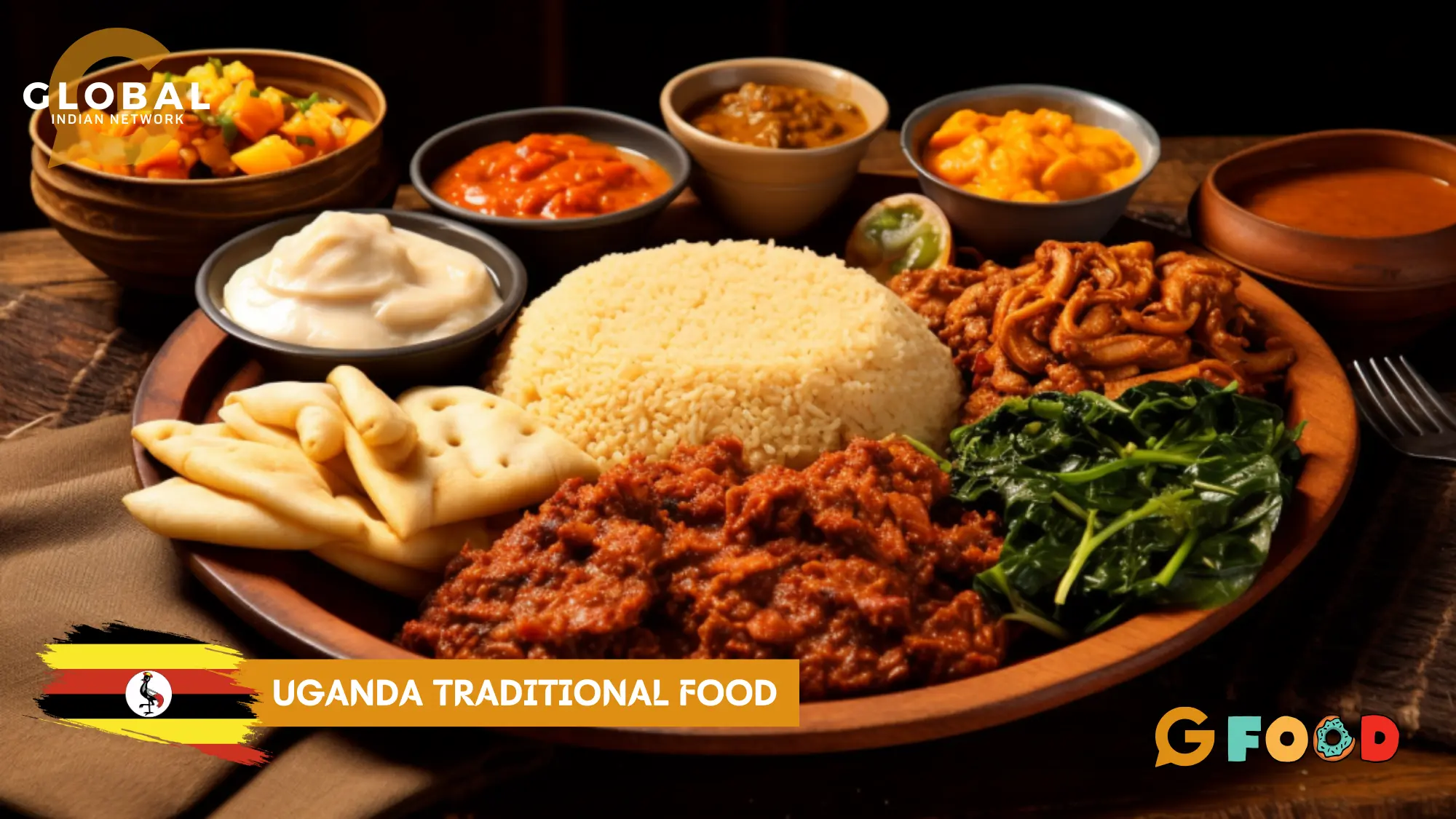 Matoke: A staple food in Uganda, matoke is made from green bananas that are steamed or boiled and often served with meat, beans, or vegetables. It is a traditional dish enjoyed by many Ugandans.
Luwombo: A traditional stew made with meat, vegetables, and groundnut sauce, luwombo is a popular dish in Uganda. It is often prepared during special occasions and communal gatherings.
Role of Cattle: In some regions, such as among the Banyankore, cattle play a central role in the diet and cultural practices. Beef is a significant part of the diet, and traditional ceremonies often involve cattle-related rituals.
Matoke: A staple food in Uganda, matoke is made from green bananas that are steamed or boiled and often served with meat, beans, or vegetables. It is a traditional dish enjoyed by many Ugandans.
Luwombo: A traditional stew made with meat, vegetables, and groundnut sauce, luwombo is a popular dish in Uganda. It is often prepared during special occasions and communal gatherings.
Role of Cattle: In some regions, such as among the Banyankore, cattle play a central role in the diet and cultural practices. Beef is a significant part of the diet, and traditional ceremonies often involve cattle-related rituals.
Experiencing Uganda’s Cultural Mosaic
 To truly appreciate Uganda’s cultural mosaic, visitors should engage with local communities and participate in cultural activities. Guided tours, community visits, and participation in traditional ceremonies provide an authentic experience and allow visitors to connect with the rich heritage of Uganda.
Cultural Safaris: Organized cultural safaris offer an immersive experience, allowing visitors to explore Uganda’s diverse cultures, visit traditional homesteads, and engage with local artisans and performers.
Community-Based Tourism: Engaging in community-based tourism initiatives supports local communities and provides visitors with a deeper understanding of Uganda’s cultural heritage.
Cultural Workshops: Participating in workshops on traditional crafts, cooking, and music offers hands-on experiences and insights into Uganda’s cultural practices.
To truly appreciate Uganda’s cultural mosaic, visitors should engage with local communities and participate in cultural activities. Guided tours, community visits, and participation in traditional ceremonies provide an authentic experience and allow visitors to connect with the rich heritage of Uganda.
Cultural Safaris: Organized cultural safaris offer an immersive experience, allowing visitors to explore Uganda’s diverse cultures, visit traditional homesteads, and engage with local artisans and performers.
Community-Based Tourism: Engaging in community-based tourism initiatives supports local communities and provides visitors with a deeper understanding of Uganda’s cultural heritage.
Cultural Workshops: Participating in workshops on traditional crafts, cooking, and music offers hands-on experiences and insights into Uganda’s cultural practices.