
Source of the Nile
The source of the Nile River, one of the world’s longest rivers, is located in Jinja, Uganda. Here’s some information about the source of the Nile:Location and Community:
The source of the Nile River is located near Jinja, a town in southeastern Uganda. Specifically, it is situated at the northern shores of Lake Victoria, which is shared by Uganda, Tanzania, and Kenya. Jinja is approximately 81 kilometers (50 miles) east of Uganda’s capital city, Kampala. The communities around the source of the Nile are primarily composed of local Ugandans who reside in the Jinja area. The region is home to various ethnic groups, including the Basoga people, who are the dominant ethnic group in the area. These communities rely on the Nile River and Lake Victoria for their livelihoods, particularly through fishing and agriculture. The people living in the communities around the source of the Nile have a rich cultural heritage. They have their own traditions, languages, and ways of life that have been shaped by their close connection to the river and the natural resources it provides.
Visitors to the area have the opportunity to interact with the local communities, learn about their customs and traditions, and gain insights into their daily lives.
Engaging with the local community can be done through organized community visits, cultural tours, or by supporting local businesses and artisans. This interaction not only provides visitors with a deeper understanding of the local culture but also contributes to the local economy and sustainable tourism initiatives.
It’s important to approach interactions with the local community with respect and cultural sensitivity. Engaging in responsible tourism practices and seeking permission before taking photographs or entering private spaces is always appreciated.
By doing so, visitors can have a meaningful and mutually beneficial experience with the communities surrounding the source of the Nile.
The people living in the communities around the source of the Nile have a rich cultural heritage. They have their own traditions, languages, and ways of life that have been shaped by their close connection to the river and the natural resources it provides.
Visitors to the area have the opportunity to interact with the local communities, learn about their customs and traditions, and gain insights into their daily lives.
Engaging with the local community can be done through organized community visits, cultural tours, or by supporting local businesses and artisans. This interaction not only provides visitors with a deeper understanding of the local culture but also contributes to the local economy and sustainable tourism initiatives.
It’s important to approach interactions with the local community with respect and cultural sensitivity. Engaging in responsible tourism practices and seeking permission before taking photographs or entering private spaces is always appreciated.
By doing so, visitors can have a meaningful and mutually beneficial experience with the communities surrounding the source of the Nile.
Historic Significance:
 The source of the Nile River holds significant historical importance, as it has been a subject of exploration and fascination for centuries. Here are some key points about the historic significance of the Nile’s source:
Ancient Civilizations:
River Nile has played a crucial role in the development of ancient civilizations in Egypt and Sudan. The Nile’s waters provided fertile soil for agriculture, facilitating the growth of prosperous societies such as ancient Egypt, where the river was revered as a life-giving force.
Exploration:
The search for the source of the Nile was a significant endeavor in the 19th century. European explorers, including John Hanning Speke, Richard Burton, and James Grant, embarked on expeditions to unravel the mystery of the Nile’s origin.
The discovery of the source of the Nile in Uganda brought about a better understanding of the river’s course and its significance in African geography.
The source of the Nile River holds significant historical importance, as it has been a subject of exploration and fascination for centuries. Here are some key points about the historic significance of the Nile’s source:
Ancient Civilizations:
River Nile has played a crucial role in the development of ancient civilizations in Egypt and Sudan. The Nile’s waters provided fertile soil for agriculture, facilitating the growth of prosperous societies such as ancient Egypt, where the river was revered as a life-giving force.
Exploration:
The search for the source of the Nile was a significant endeavor in the 19th century. European explorers, including John Hanning Speke, Richard Burton, and James Grant, embarked on expeditions to unravel the mystery of the Nile’s origin.
The discovery of the source of the Nile in Uganda brought about a better understanding of the river’s course and its significance in African geography.
Where is the source of the Nile located
 The Source of the Nile has sustained civilizations throughout history. Its annual flooding deposited nutrient-rich sediment on its banks, allowing for abundant agricultural production. This enabled communities along the river to thrive and develop complex societies, fostering trade, cultural exchange, and technological advancements.
Trade and Transportation:
The Nile River served as a vital trade route, facilitating the movement of goods, people, and ideas across vast distances. Ancient Egyptians used the river to transport resources and engage in commerce with neighboring regions, contributing to their economic prosperity and cultural exchange.
Cultural Significance:
The Source of the Nile has been deeply ingrained in the cultures and beliefs of the people living along its banks. It has been the subject of myths, legends, and religious significance in various ancient and contemporary cultures. It continues to be a symbol of life, fertility, and spirituality for many communities.
Understanding the historic significance of the source of the Nile provides insights into the relationship between rivers and human civilization. The exploration and discovery of the Nile’s source expanded geographical knowledge, contributed to scientific understanding, and highlighted the cultural and economic importance of the river throughout history.
The Source of the Nile has sustained civilizations throughout history. Its annual flooding deposited nutrient-rich sediment on its banks, allowing for abundant agricultural production. This enabled communities along the river to thrive and develop complex societies, fostering trade, cultural exchange, and technological advancements.
Trade and Transportation:
The Nile River served as a vital trade route, facilitating the movement of goods, people, and ideas across vast distances. Ancient Egyptians used the river to transport resources and engage in commerce with neighboring regions, contributing to their economic prosperity and cultural exchange.
Cultural Significance:
The Source of the Nile has been deeply ingrained in the cultures and beliefs of the people living along its banks. It has been the subject of myths, legends, and religious significance in various ancient and contemporary cultures. It continues to be a symbol of life, fertility, and spirituality for many communities.
Understanding the historic significance of the source of the Nile provides insights into the relationship between rivers and human civilization. The exploration and discovery of the Nile’s source expanded geographical knowledge, contributed to scientific understanding, and highlighted the cultural and economic importance of the river throughout history.
The Victoria Nile:
 The Victoria Nile is a significant section of the Nile River, named after Lake Victoria, from which it originates. Here’s some information about the Victoria Nile:
Origin:
The Victoria Nile starts at the northern shores of Lake Victoria in Jinja, Uganda. It is one of the primary tributaries that contribute to the formation of the Nile River.
Flow and Length:
The Victoria Nile flows northward from Lake Victoria, traversing through various regions of Uganda. It continues its course towards Sudan and eventually merges with the White Nile near the city of Juba, forming the main stem of the Nile River. The total length of the Victoria Nile is approximately 400 kilometers (250 miles).
Importance for Hydropower:
The Victoria Nile has significant hydropower potential. As it flows through Uganda, it passes several hydroelectric power stations, including the Owen Falls Dam (now known as the Nalubaale Dam) near Jinja. These power stations harness the river’s flow to generate electricity, contributing to the country’s energy production.
Scenic Beauty and Wildlife:
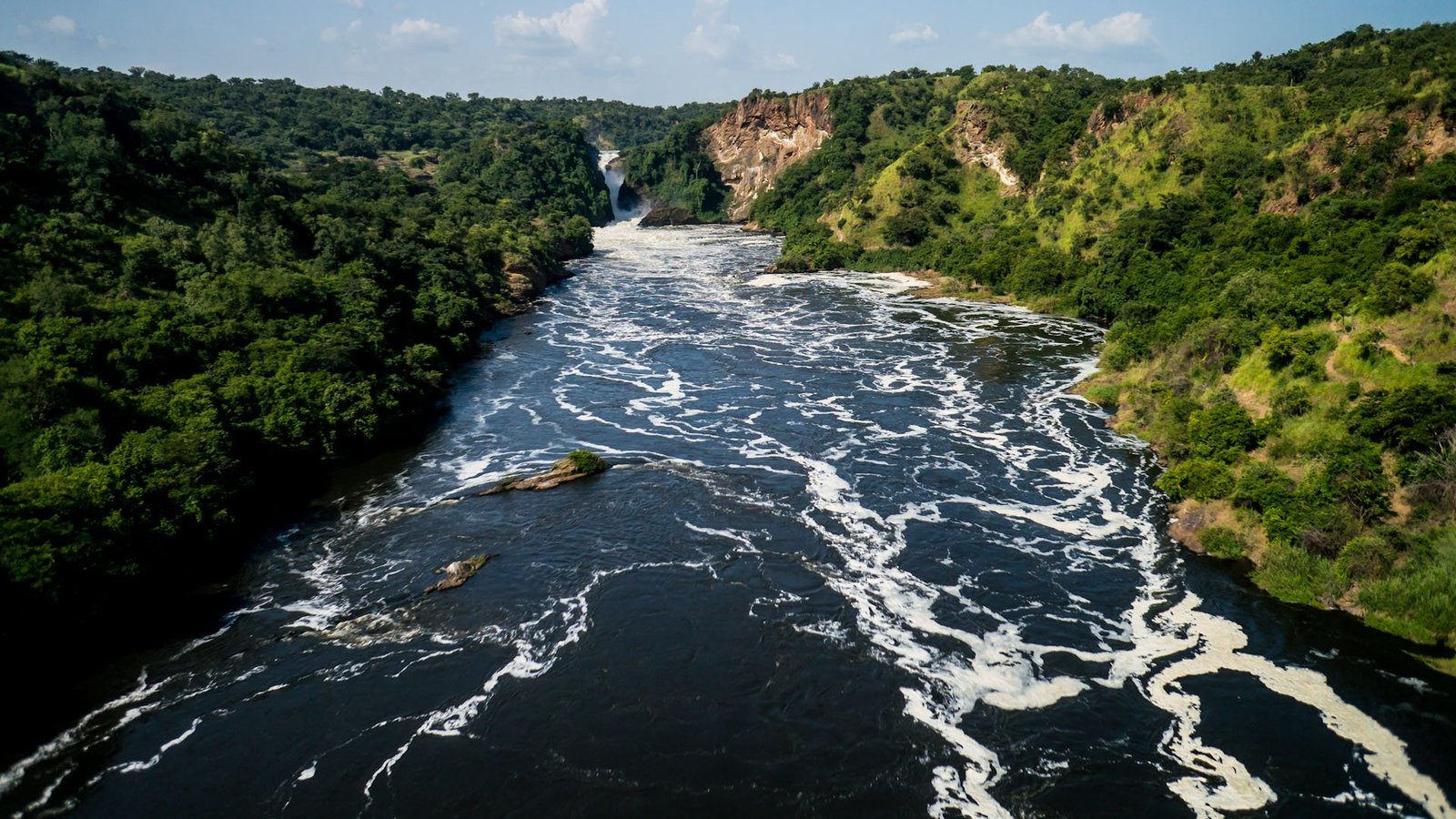
The Victoria Nile offers breathtaking natural scenery as it winds through Uganda. The river passes through various landscapes, including lush forests, rocky gorges, and open savannahs. Along its banks, you can find diverse wildlife, including hippos, crocodiles, and a variety of bird species.
The Victoria Nile is a significant section of the Nile River, named after Lake Victoria, from which it originates. Here’s some information about the Victoria Nile:
Origin:
The Victoria Nile starts at the northern shores of Lake Victoria in Jinja, Uganda. It is one of the primary tributaries that contribute to the formation of the Nile River.
Flow and Length:
The Victoria Nile flows northward from Lake Victoria, traversing through various regions of Uganda. It continues its course towards Sudan and eventually merges with the White Nile near the city of Juba, forming the main stem of the Nile River. The total length of the Victoria Nile is approximately 400 kilometers (250 miles).
Importance for Hydropower:
The Victoria Nile has significant hydropower potential. As it flows through Uganda, it passes several hydroelectric power stations, including the Owen Falls Dam (now known as the Nalubaale Dam) near Jinja. These power stations harness the river’s flow to generate electricity, contributing to the country’s energy production.
Scenic Beauty and Wildlife:
The Victoria Nile offers breathtaking natural scenery as it winds through Uganda. The river passes through various landscapes, including lush forests, rocky gorges, and open savannahs. Along its banks, you can find diverse wildlife, including hippos, crocodiles, and a variety of bird species.
 Adventure Activities:
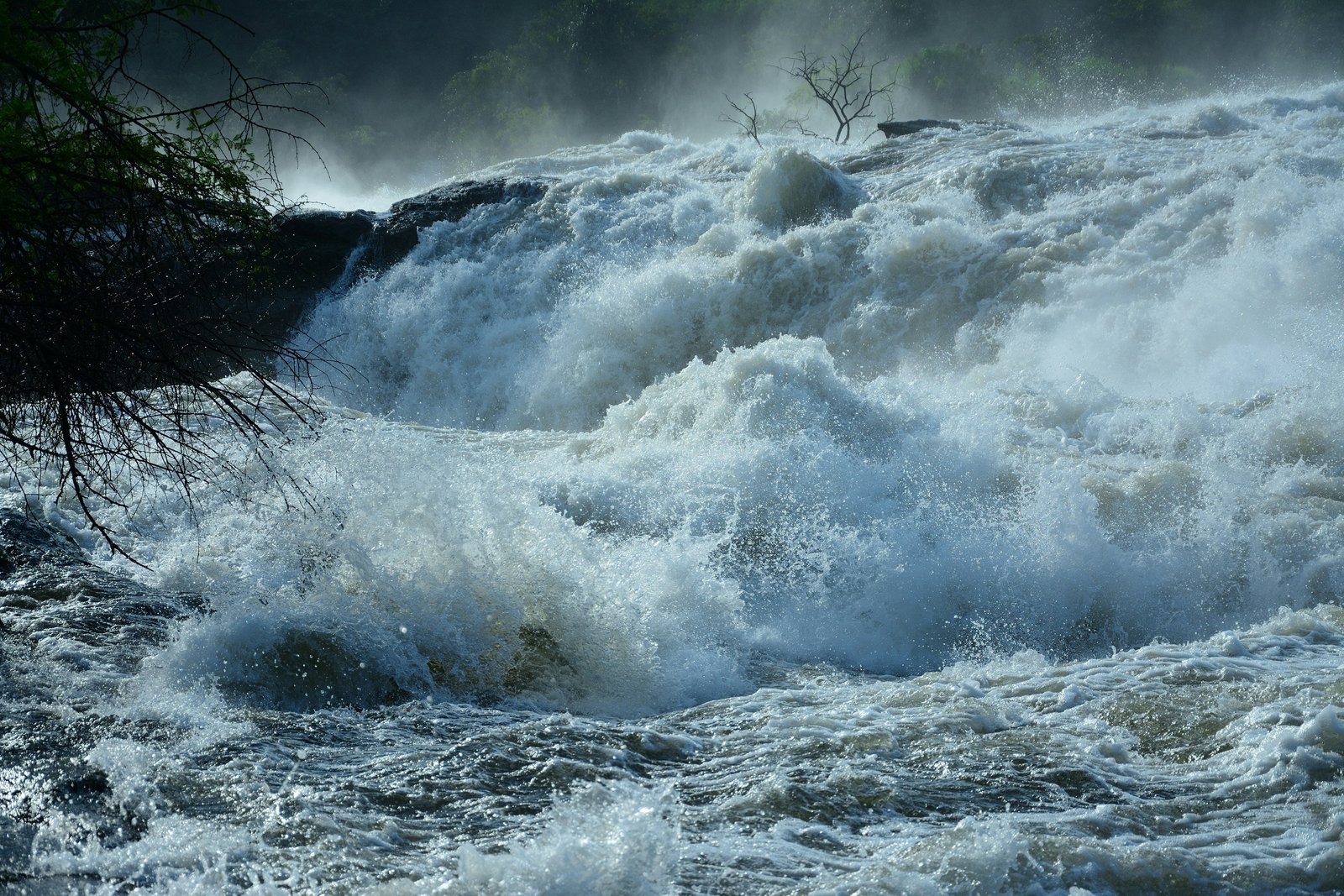
The Victoria Nile provides opportunities for adventure activities, attracting outdoor enthusiasts and tourists. White-water rafting is a popular adventure sport in the area, with the river’s rapids offering thrilling experiences for rafting enthusiasts of different skill levels. Kayaking, boat trips, and fishing are also enjoyed by visitors.
Cultural Significance:
The Victoria Nile holds cultural significance for the communities living along its banks. It has played a role in the livelihoods, traditions, and histories of the people residing in the region. The river has influenced local customs, fishing practices, and cultural beliefs, contributing to the cultural heritage of the area.
The Victoria Nile showcases the power and beauty of this section of the Nile River. Its origins at Lake Victoria, the scenic landscapes it passes through, and the opportunities it offers for adventure and cultural experiences make it a significant part of Uganda’s natural and cultural heritage.
Adventure Activities:
The Victoria Nile provides opportunities for adventure activities, attracting outdoor enthusiasts and tourists. White-water rafting is a popular adventure sport in the area, with the river’s rapids offering thrilling experiences for rafting enthusiasts of different skill levels. Kayaking, boat trips, and fishing are also enjoyed by visitors.
Cultural Significance:
The Victoria Nile holds cultural significance for the communities living along its banks. It has played a role in the livelihoods, traditions, and histories of the people residing in the region. The river has influenced local customs, fishing practices, and cultural beliefs, contributing to the cultural heritage of the area.
The Victoria Nile showcases the power and beauty of this section of the Nile River. Its origins at Lake Victoria, the scenic landscapes it passes through, and the opportunities it offers for adventure and cultural experiences make it a significant part of Uganda’s natural and cultural heritage.
Speke Monument:
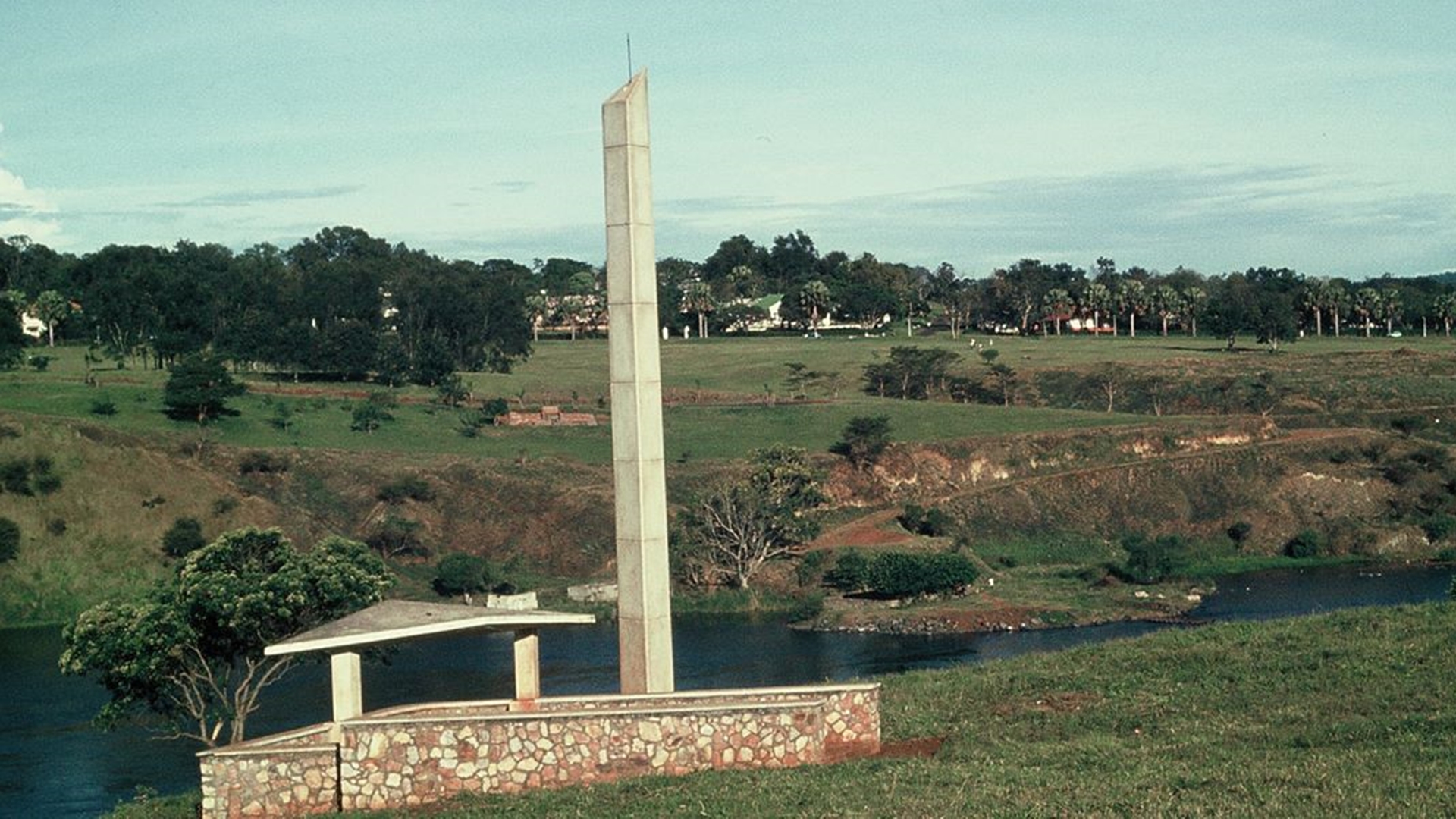 The Speke Monument is a historic landmark located near the source of the Nile in Jinja, Uganda. Here’s some information about the Speke Monument:
Dedication:
The Speke Monument is dedicated to the British explorer John Hanning Speke, who is credited with discovering the source of the Nile. Speke made this discovery during his exploration of East Africa in the mid-19th century.
Commemoration:
The monument was erected to honor Speke’s achievement and his contribution to the understanding of the Nile River. It serves as a memorial to commemorate his significant role in the exploration and discovery of the Nile’s source.
Location:
The Speke Monument is situated in Jinja, near the actual source of the Nile. It is located in a scenic area along the northern shores of Lake Victoria, where the Nile River begins its journey.
Design and Features:
The monument is a stone obelisk that stands tall in a prominent location. It features inscriptions and engravings that highlight Speke’s name, the date of his discovery (1858), and other relevant information about his exploration and the significance of the source of the Nile.
Historical Significance:
The discovery of the Nile’s source by John Hanning Speke was a milestone in the exploration of Africa. It resolved the long-standing mystery of the Nile’s origin and brought attention to the importance of the river for understanding the continent’s geography and history.
Visitors to Jinja and the source of the Nile can visit the Speke Monument to learn about the historic significance of Speke’s exploration and the discovery of the Nile’s source. It serves as a reminder of the remarkable achievements made by explorers in unraveling the mysteries of the African continent.
The Speke Monument is a historic landmark located near the source of the Nile in Jinja, Uganda. Here’s some information about the Speke Monument:
Dedication:
The Speke Monument is dedicated to the British explorer John Hanning Speke, who is credited with discovering the source of the Nile. Speke made this discovery during his exploration of East Africa in the mid-19th century.
Commemoration:
The monument was erected to honor Speke’s achievement and his contribution to the understanding of the Nile River. It serves as a memorial to commemorate his significant role in the exploration and discovery of the Nile’s source.
Location:
The Speke Monument is situated in Jinja, near the actual source of the Nile. It is located in a scenic area along the northern shores of Lake Victoria, where the Nile River begins its journey.
Design and Features:
The monument is a stone obelisk that stands tall in a prominent location. It features inscriptions and engravings that highlight Speke’s name, the date of his discovery (1858), and other relevant information about his exploration and the significance of the source of the Nile.
Historical Significance:
The discovery of the Nile’s source by John Hanning Speke was a milestone in the exploration of Africa. It resolved the long-standing mystery of the Nile’s origin and brought attention to the importance of the river for understanding the continent’s geography and history.
Visitors to Jinja and the source of the Nile can visit the Speke Monument to learn about the historic significance of Speke’s exploration and the discovery of the Nile’s source. It serves as a reminder of the remarkable achievements made by explorers in unraveling the mysteries of the African continent.
What Activities can Tourists Engage in at the Source of the Nile
At the picturesque source of the Nile, visitors are treated to a plethora of thrilling activities that promise both adventure and relaxation. Here are some must-do experiences for any traveler:White Water Rafting
 Experience the exhilarating rapids of the River Nile with a white water rafting adventure. Thanks to Uganda’s inviting equatorial climate, this activity is available all year round, providing a memorable thrill for adrenaline seekers.
Horseback Riding
For those who enjoy a more leisurely pace, horseback riding along the lush riverbanks offers a unique way to explore the region. Beginners are welcome, as lessons are available for novices eager to learn.Quad Biking
Sunny afternoons beckon for an exciting quad biking excursion. This adventure takes you through charming local neighborhoods where you’ll be greeted by the enthusiastic waves of children. It’s an engaging glimpse into the vibrant local culture.Bungee Jumping
 For an unforgettable adrenaline rush, try bungee jumping from nearly 40 meters above the river. Feel the thrill as you dive towards the water’s surface, with all safety measures meticulously in place.
Swimming
The Nile’s waters at this location are free from dangerous wildlife, offering a safe opportunity for confident swimmers to dive in. However, take note of the strong currents and swim at your own risk.Kayaking
For a more serene experience, kayaking is the perfect choice. Paddle through the gentle waters at your own pace, taking in the stunning flora and diverse birdlife. It’s a peaceful way to connect with nature and savor the surrounding beauty. These engaging activities ensure that visitors leave with memories to cherish from their visit to the iconic source of the Nile.Boat Trips and Activities:
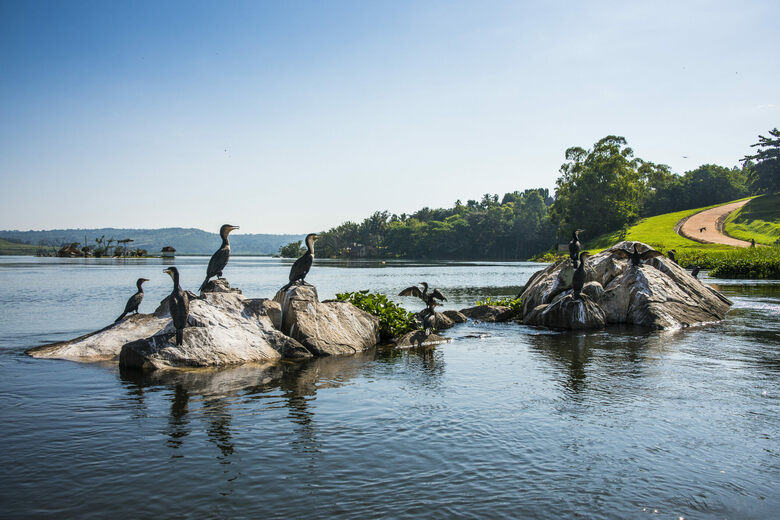
Boat trips and activities are popular attractions for visitors to Jinja and the source of the Nile. Here’s some information about boat trips and the activities you can enjoy in the area: Boat Trips on the Nile: One of the main highlights of visiting Jinja is taking a boat trip on the Nile River. You can embark on a leisurely cruise or hire a boat to explore the waters. These trips offer stunning views of the river, its surroundings, and the wildlife that inhabits the area. You can often spot birds, hippos, and crocodiles along the banks of the river.
Sunset Cruises:
Sunset cruises on the Nile are a popular choice for visitors. Watching the sun setting over the river while you cruise along its tranquil waters is a memorable experience. It offers a peaceful and romantic atmosphere, perfect for relaxation and enjoying the natural beauty of the surroundings.
Fishing Excursions:
Fishing is another activity you can enjoy on the Nile. The river is home to various fish species, and you can try your hand at fishing with the assistance of local guides. Nile perch and tilapia are among the common fish caught in these waters. Fishing excursions can be arranged with local operators who provide the necessary equipment and expertise.
Kayaking and Canoeing:
If you prefer a more active adventure, kayaking or canoeing on the Nile is a thrilling option. You can paddle through the river’s calm stretches or navigate through mild rapids, depending on your skill level and preference. This allows you to get closer to the water, experience the river’s flow, and enjoy the scenic surroundings.
White-Water Rafting:
For adrenaline seekers, white-water rafting on the Nile is a must-try activity. Jinja is known as the “adventure capital of East Africa” and offers thrilling rafting experiences on the river’s rapids. You can join guided tours and raft through various grades of rapids, from mild to challenging, under the supervision of experienced instructors.
Visit to Lake Victoria Islands:
These trips offer stunning views of the river, its surroundings, and the wildlife that inhabits the area. You can often spot birds, hippos, and crocodiles along the banks of the river.
Sunset Cruises:
Sunset cruises on the Nile are a popular choice for visitors. Watching the sun setting over the river while you cruise along its tranquil waters is a memorable experience. It offers a peaceful and romantic atmosphere, perfect for relaxation and enjoying the natural beauty of the surroundings.
Fishing Excursions:
Fishing is another activity you can enjoy on the Nile. The river is home to various fish species, and you can try your hand at fishing with the assistance of local guides. Nile perch and tilapia are among the common fish caught in these waters. Fishing excursions can be arranged with local operators who provide the necessary equipment and expertise.
Kayaking and Canoeing:
If you prefer a more active adventure, kayaking or canoeing on the Nile is a thrilling option. You can paddle through the river’s calm stretches or navigate through mild rapids, depending on your skill level and preference. This allows you to get closer to the water, experience the river’s flow, and enjoy the scenic surroundings.
White-Water Rafting:
For adrenaline seekers, white-water rafting on the Nile is a must-try activity. Jinja is known as the “adventure capital of East Africa” and offers thrilling rafting experiences on the river’s rapids. You can join guided tours and raft through various grades of rapids, from mild to challenging, under the supervision of experienced instructors.
Visit to Lake Victoria Islands:
 Lake Victoria, the source of the Nile, is dotted with several islands. You can arrange boat trips to visit these islands, such as the Ssese Islands or the Ngamba Island Chimpanzee Sanctuary. These trips offer opportunities for exploration, relaxation on sandy beaches, and the chance to observe wildlife or engage in water sports.
When participating in any boat trip or activity, it’s important to prioritize safety and follow the guidance of experienced guides or operators. They will ensure that you have an enjoyable and secure experience while exploring the Nile and its surroundings.
Lake Victoria, the source of the Nile, is dotted with several islands. You can arrange boat trips to visit these islands, such as the Ssese Islands or the Ngamba Island Chimpanzee Sanctuary. These trips offer opportunities for exploration, relaxation on sandy beaches, and the chance to observe wildlife or engage in water sports.
When participating in any boat trip or activity, it’s important to prioritize safety and follow the guidance of experienced guides or operators. They will ensure that you have an enjoyable and secure experience while exploring the Nile and its surroundings.