
What You Need To Know About the Serengeti Calving Season
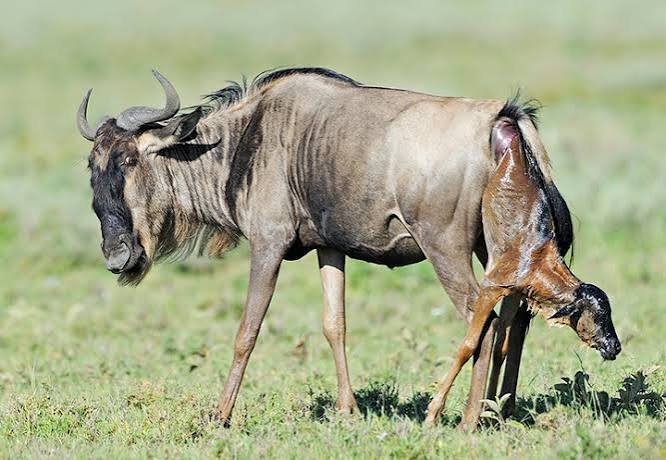
What you need to know about the Serengeti calving season; First of all calving season refers to as managing the herds of female cattle or other large mammals for example wildebeest and whales gives birth to their young one. It usually take short period of time every year starting from 45, 60 or 90 days. Calving season is also one of magical attractions in Serengeti National Park. In Serengeti the best place to enjoy the calving season is around Ndutu region and the southern Serengeti short – grass plains, which overlaps with the Ngorongoro Conservation Area. These areas hosts the highest population of the wildebeest that give birth between the month of January and March.
More to that, Serengeti being a special destination to go for calving season it’s because the great jungle to wildebeest among other species. We see the southern plains of the Serengeti usually turn green after the November rains, and fresh grass for grazing what the wildebeest need for their survive hence demanding for calving season. This is when thousands of wildebeest species are born.
It is pointed out that, calving season is short lived but very grand in scale. In December the weather can be favorable with short rains that tend to fall in the central Serengeti. During this periodic time, wildebeest movement is quicker as far south as possible, toward the Southern plains which they usually access within a couple of days.
Accommodation options ‘’Dec’’; If there’s been heavy rain falling in the northern Serengeti, then South of Lobo is the perfect location to watch the wildebeest herds. However, the great waves of wildebeest can eject out of the Masai Mara in Kenya and into the Southern part of Serengeti .They then spread into adjoining areas of the Ndutu region, Lake Masek, and the Ngorongoro Conservation Area. Therefore, both areas have got beautiful accommodation where you can have a comfortable stay thus making your great migration safari worthy it. Some of the accommodations are Klein camp, Lobo Mobile camps and the Migration camp among many. Thus making, December an incredible time for your next visit.
It’s an interesting scene: watching the great concentration of large, wild land animals in the world with the short grassy savannah dotted with rocky outcrops ‘’Koppies, the favorites haunt of the Serengeti’s leopards’’ as the back drop
Calving season goes by; Season by season ‘’Month by Month’’
Starting in January, many pregnant wildebeest give birth and by February over 8,000 baby wildebeest are being born every day thus a stunning time for visitors who their dream is to jump into this activity. To add on, the season continues into March and is joined by their animal species. Tens of hundreds of Zebras and gazelles accompanies the wildebeest on their trek and they usually take advantage of safety in large numbers to drop their young ones.
Such largest number of inexperienced animals are, of course ‘’ a magnet for Africa’s predators’’. Big cats like lions, leopards and Cheetahs those stalk the southern Serengeti along with the spotted hyenas, African wild dogs and black –backed jackals among others. The chances of watching predator prey unique interactions is very high during the calving season – best recommendable for best safari dreamers.
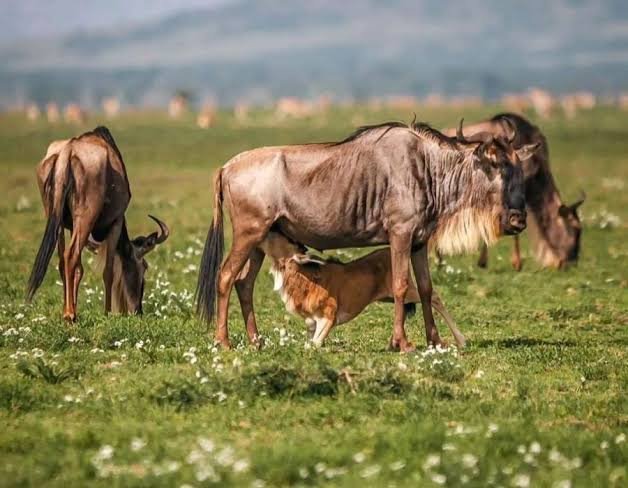
When it comes to newborn wildebeest calves are quick to their feet, standing in minutes and are able to join the herd within three days. Most survive the offensive of predators, and by the end of March. During this time, the grasses of the southern Serengeti are exhausted. The wildebeest start moving west in large lines across the central Serengeti and to the muddy rivers that block their way back to the Masai Mara National Reservation. Below are the reasons you need to know before packing your bags for your Serengeti Calving Season as explained?
When should you book a calving season safari?
All you need to know, calving season in Serengeti is most considered in low season and accommodations are simply got. The relevant months are January, February and March. It’s advisable to book your calving season experience to year in advance, especially for the month of February, when the calving season is at its best dramatic.
Where Should You Say?
No worry from where to stay during your calving season since it lies in the popular farea of Ndutu, south of the Serengeti. There are many SEM –permanent tented camps set up annually in the path of the migration, thus enabling you to access your early morning drives on time and head straight into the action. All accommodation have good amenities that form of a large ,walk –in tented suite with large ,walk-in tented suite with a large bed,an outside seating area as well as a private bathrooms.
Alternatively, you can opt to have three nights in the Ndutu area and two nights in another destination to complement how magical migration experience is! However, a camp in the central Serengeti, home to perfect number of wildlife ,since Ndutu forms the biggest part of the Ngorongoro Conservation Area which is home to great Africa’s Big five.
What Activities Can You Do During the Calving Season?
There are lots of activities that can be combined with calving season experience; Wildlife adventure which is usually enjoyed from the vantage point of an open sided 4×4 vehicle in the skillful help of a professional guide. You can do a full day game drive and returning in the early evening with a spotlight leading the way. Since the advised accommodation for the calving season sits in privately run concessions, your expert guide has the advantage of driving off road for the remarkable sightings, and you have the chance to engage in the walking safari with help of skilled park rangers.
Village visits; this is also rewarding activity that involves in visiting a local community to learn about Maasai Culture and attractions. Enjoy their famous ‘’jumping dance’’.
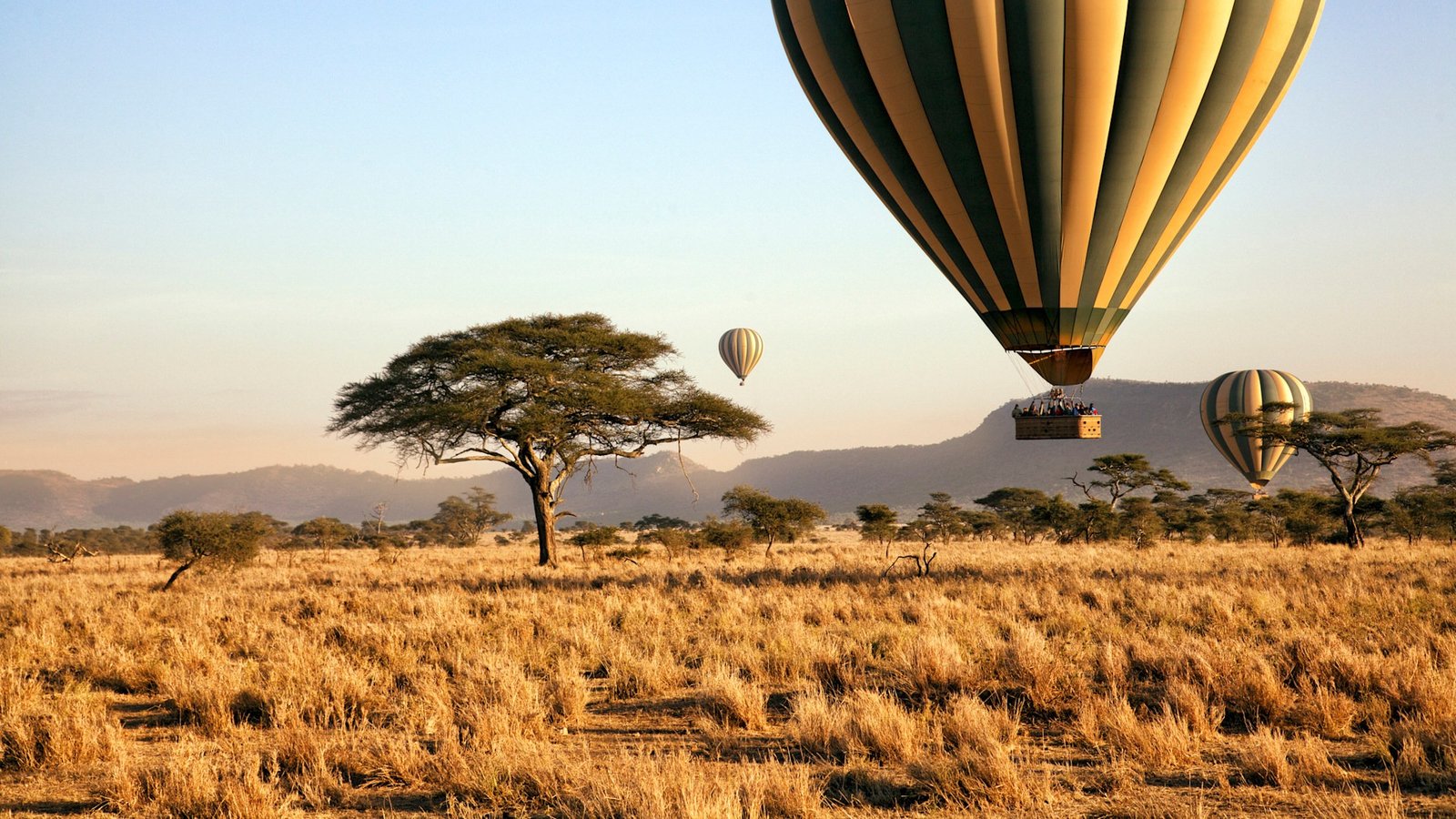
Hot air ballooning: This sounds as one of Serengeti’s signature activities that allows you to enjoy great aerial view of park’s wildlife and ecosystem.
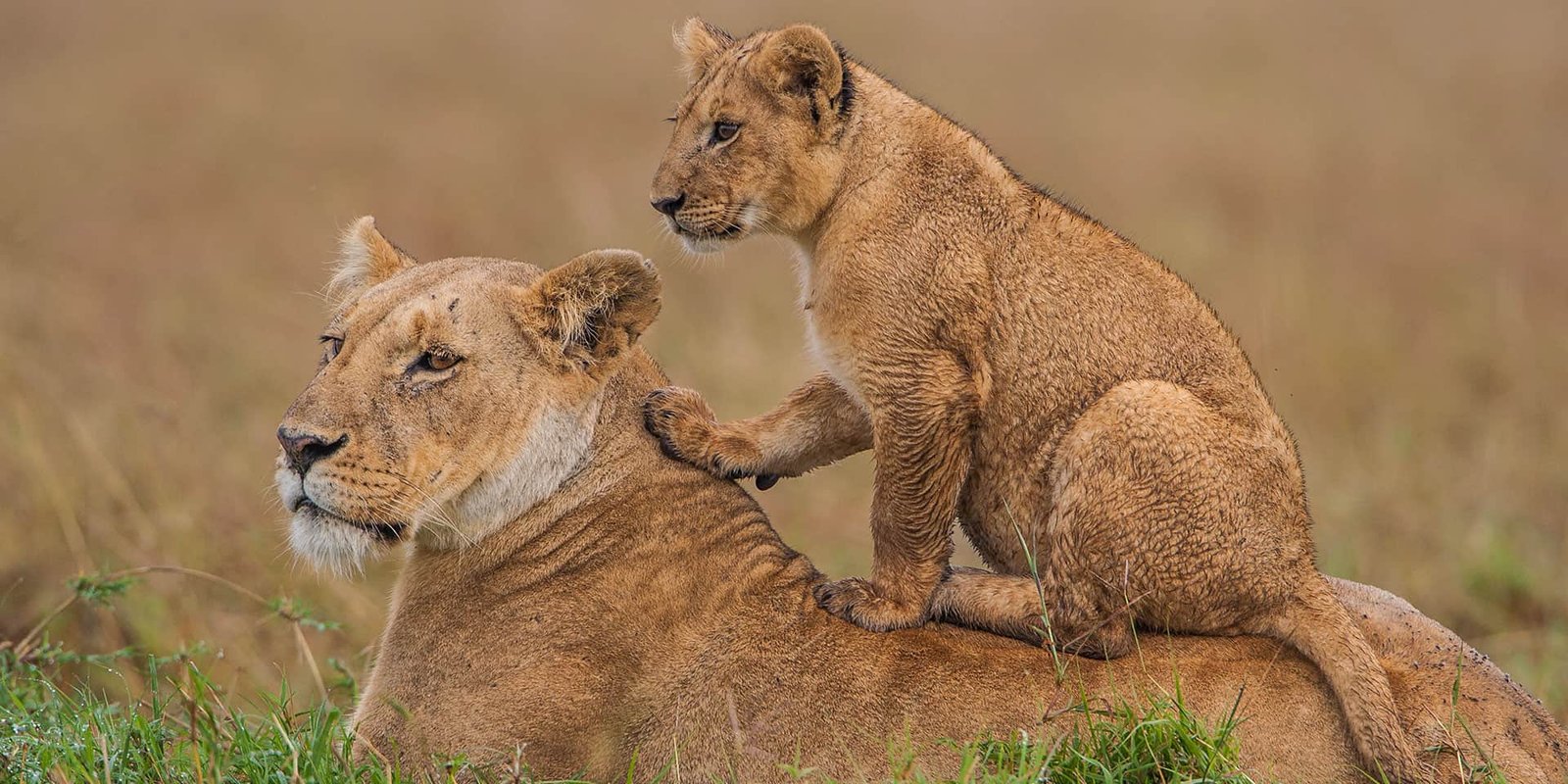
Experience the Africa’s large carnivores with high chances of seeing lions, cheetahs, and leopards. Generally leopards have their cubs at same time of the year, thus best time photographers and safari adventures.
Where Else Should You Go During The Calving Season?
Other safari destination to go for a complete contrast experience, we recommend ‘’Tanzania’s Tarangire National Park. But, not in high season of January, February and March, and during this season the park experiences little rain, that makes the landscape beautifully green. Thus, making the wildlife very different from the migration experience.
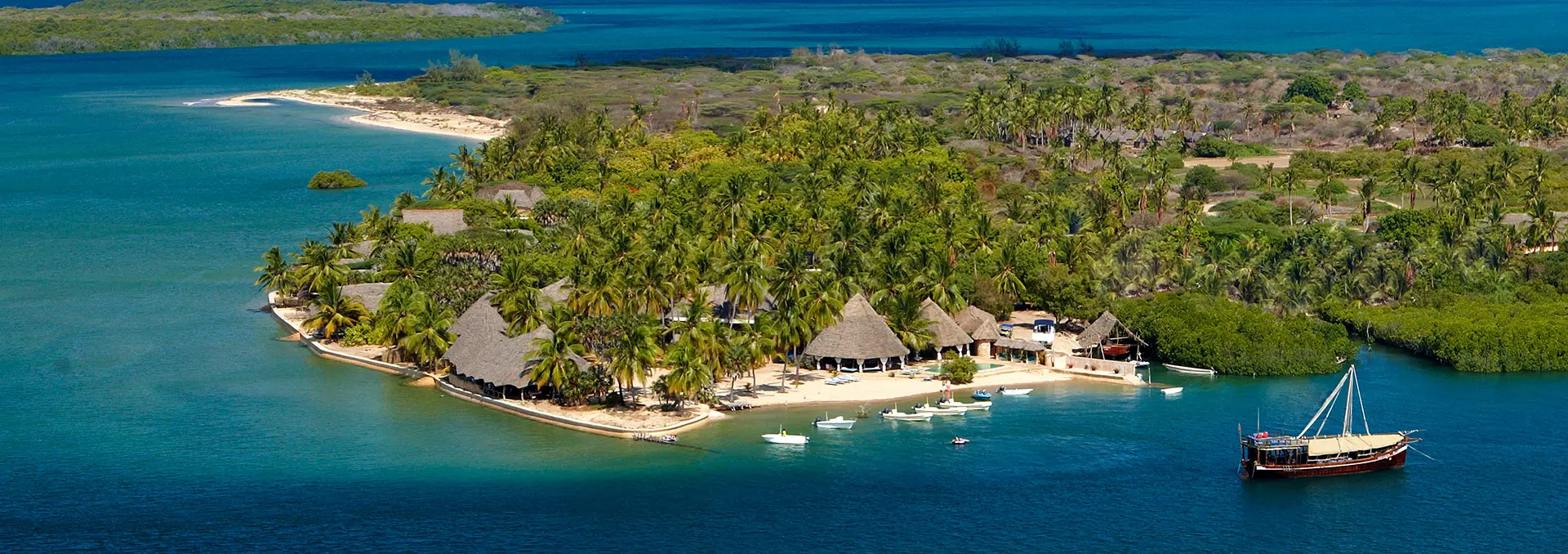
Still, it can be the best time to access the beach destination in Zanzibar. January through March stands as the best time to visit the spice Island. The days are sunny and welcoming to the divers and snorkelers, as the Indian Ocean is at its clearest thus making it memorable experience.
Conclusion, the calving season is quite undoubted safari experience for your next Tanzania Safari. Get started planning now!