10 Things to know before your First Safari in Kenya
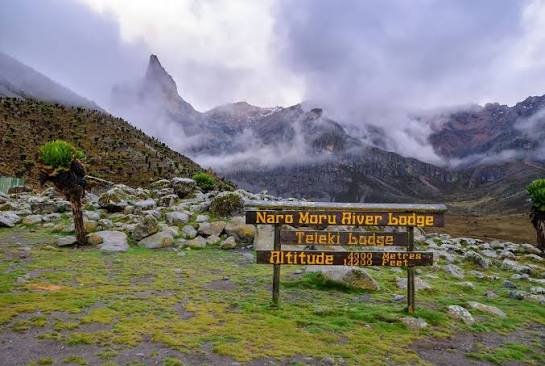
10 Things to know before your First Safari in Kenya : Kenya is the land full of wounders from the unforgettable safaris of the Seven natural wonder, Glaciers to the Stunning coastlines of Mombasa Fort Jesus and Malindi. Preparing for your first time to visit Kenya here are 10 essential things you should know before embarking on memorable adventure.
-
Best Time to Vist Kenya
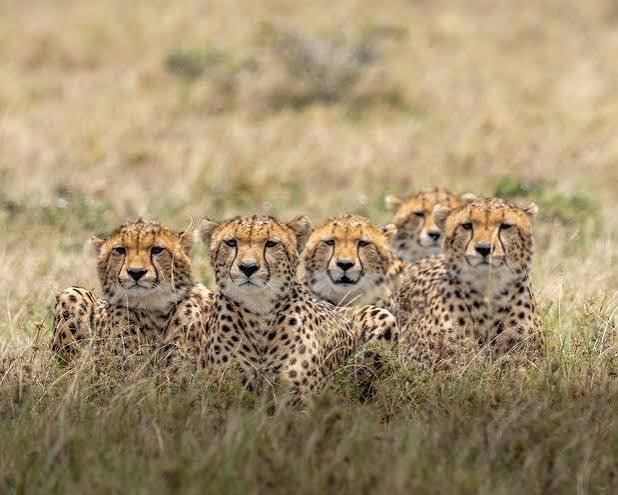
Kenya provides are all year around trip however the best time to visit to is the High Season (dry season) from June-Oct and Dec-Feb. This period provides the Great Migration experience showcasing the dramatic river crossing and predator huntings Masai-mara-national-reserve . Also, animals are easily spotted in the dry pasture providing clear views of photography and filming.
The low season month (Rainy season) of March-May and November bring to life the greenery pasture and less crowds that attract various migratory birds offering the best avian experience to birders and this season also attracts travelers who like discounted rates from Lodges.
-
Choosing the right safari Experience
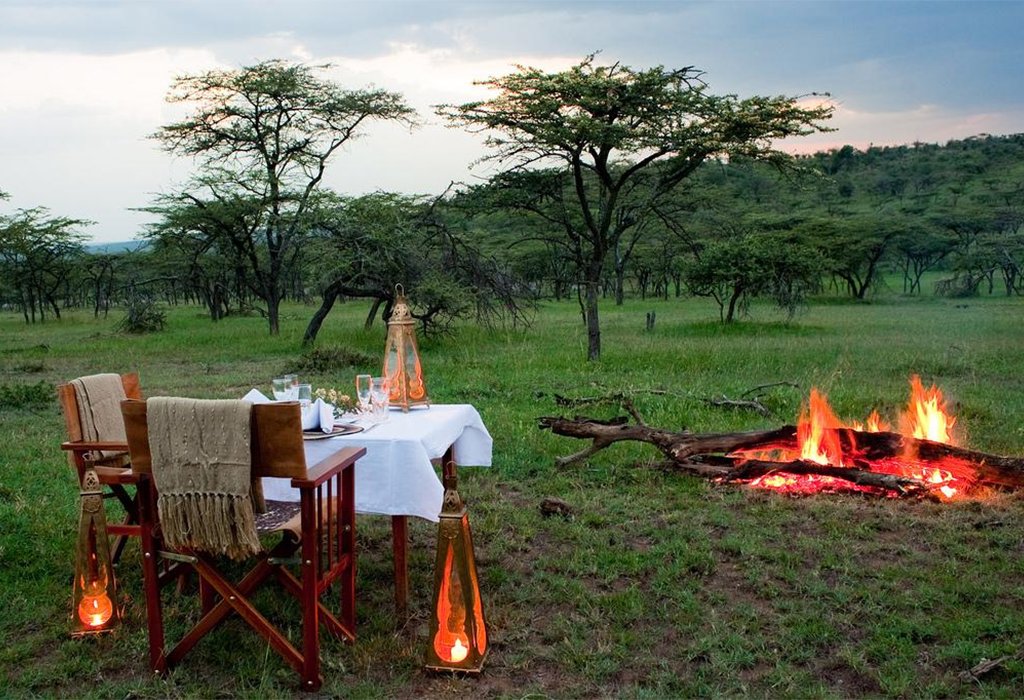
Kenya’s Safari ranges from Luxury to Budget friendly trip, from private/solo to shared/ scheduled trips, from Savanah grasslands to Cultural immersions, 6 Days Masai-mara-lamu-luxury-honeymoon-package Glaciers to coastal landscapes covering all preferences. The choice is yours to make.
Cultural immersions
Hiking
Boat rides
Nature walks/ walking safaris
Hot air ballons
Your Safari Style
-
What to Pack
Preparing for Kenyan Safari is essential and very vital this can make your ready memorable trip to an extra-ordinary experience. These will provide safety, comfort and preparedness to the unpredictable wilderness changes.
Clothings: Light clothings with neutral colors (Bright colors heavily discouraged), long sleeves, hat.
Equipments: Good cameras, Binoculars, Power Adapters and portable chargers.
Creams: Sunscreens, insector repellents.
-
Health and safety Tips
Always ensure you have a travel insurance, share your health and dietary requirements with your tour consultant. Also consult your doctor on the vaccines you might need to travel to Kenya.
What to do in protected Areas
Follow your guides instructions
Stay in the vehicle during game drives
Keep away from your wildlife.
Always use designed routes in the park (avoid off tracks)
-
Cultural Appreciation
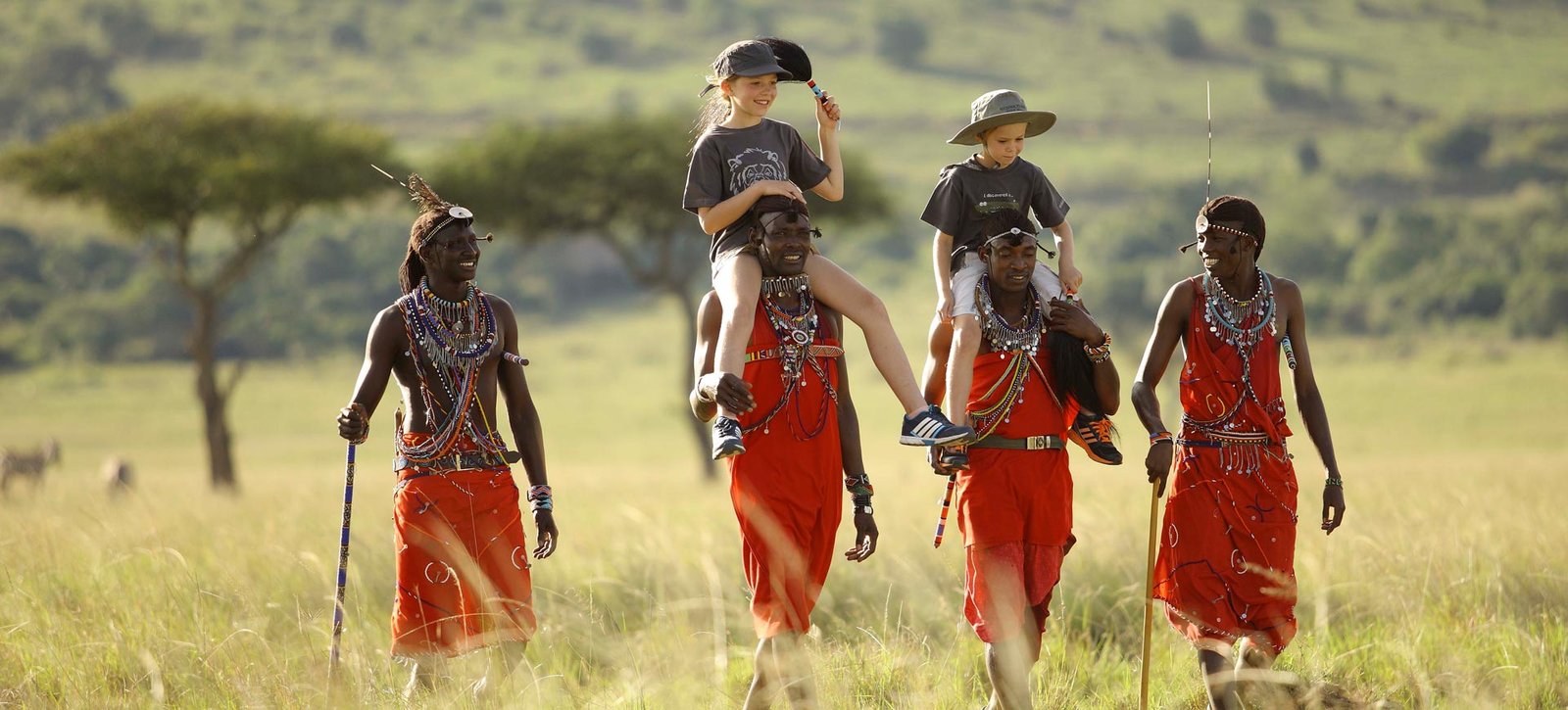
Your first Trip to Africa will give you an opportunity to appreciate variety cultures, tribes, beliefs and traditions. With over 42 tribes, Kenya is cultural and diverse. You will have an opportunity to interact with tribes like Maasai, Samburu, Turkana and many other. Learn a few local words like Habari za asubuhi (Good morning), Asante (Thank you) or Jambo (Hello).
-
Wildlife conservation and preservation
Kenya is a home to many conservation efforts and community-based initiatives, this has helped to protect and previous Africa’s indigenous and iconic species.
Many lodges eco lodges and conservation organizations have contributed to the development of local communities and preservation of Kenya’s incredible wildlife. Your support to travelling to Kenya becomes a contribution to the conservation efforts.
-
Currency and Tipping
Kenyan shillings (KES) is the country’s official currencies, how US Dollars are widely accepted in may shops, towns, hotels/lodges and other tourist areas. Visa cards and Master credit cards are also used in the country.
Tipping is customary in Kenya however there is not understand amount and is due to how satisfied you are with the services. For purposes of tipping always carry small US Dollar notes in cash for tipping or donation.
-
Visa Requirement and Travel Documents
International Visitors require a visa to enter Kenya, the Kenya Government offers asmooth and easy Visa application process through the e-visa system
https://www.ke-visa.com/formke/fillandcomplete. This costs takes 2-3days of working days.
In addition to the valid visa you will also need a valid passport for at least 6 months from the intended date of stay in the country, Confirmed travel itinerary, Return Flight Ticket, Hotel Booking and Travel Insurance
-
Power and Internet connectivity
Kenyas power grid covers a wide of area with electricity widely distributed in the country and with internet connectivity is available in major towns and tourism centers like lodges, park.
-
Means of Transport
Kenya offers a variety of transportation options that suite every travelers Budget and preferences from the flying to the driving safaris.
Are you short on time but want to explore the vasty landscape of Kenya with less driving hours and avoid bumpy roads? The flying safaris gives you the ultimate opportunity to fulfill your dream safari in a short time and maximize it to the fullest.
For those who prefer to explore Kenya’s stunning landscapes by road. How fleet of vehicles ranging from the Luxury 4×4 Safari Land cruiser to the Comfortable Min vans.
Whether you choose a flying safari or a driving safari, be assured that you’ll experience the best Adventure with experienced and friendly team full of professionals.
When to go birding in Masai Mara
Masai mara is not only a hub to wildlife but also a paradise of birds. Kenya is a home to over 1000 bird species with over 500 bird species inhabiting in Masai Mara. Kenya’s strategic location is a key migratory route making it a haven for various migratory bird species most especially from Madagascar.
For avian enthusiasts Masai Mara offers an exciting and extra-ordinary experience. But when is the best time to go birding in Masai Mara? The best time to go birding in Masai Mara depends on different factors like presence of food and water, weather and migratory birds. Generally, the Rainy season from April-May and November is the best for spotting the birds. For bird lovers during this season you will be blessed to see various Migratory and endemic birds like Yellow Wagtail, African Paradise Flycatcher, Madagascar Pond-Heron, European Roller, the Montagu’s Harrier, and the Lesser Spotted Eagle. Other bird species that can be spotted throughout the year include Ross’s Turaco, Grey Crowned Crane, Pygmy Kingfishers, African Jacana (Lily-trotter) Schalow’s Turaco, Kori Bustard, Martial Eagle, Lanner Falcon, Tawny Eagle, Secretary bird and many others.
Where to see flamingos in Kenya
Kenya is renowned for its stunning diverse wildlife and natural beauty, it is also a home to the majestic Flamingos. Kenya offers a better glimpse of these distinctive pink feathered birds with a slender neck in different parts of the country. There are two main species of Flamingos i.e the lesser Flamingos and Greater Flamingos
- Lake Nakuru (Pink Lake).
Lake Nakuru also know as the pink lake is a shallow alkaline soda lake located in the Great Rift Valley of Kenya, famous for the massive flocks of pink flamingos, white and black rhinos. These alkaline waters create a suitable breeding environment for the greater and lesser flamingos.
- Lake Bogoria
Lake Bogoria is Ramsar site located 250km northwest of Nairobi hosting massive number of lesser flamingos. The lake’s surroundings are characterized by dramatic scenery, with towering cliffs, deep valleys, and rolling hills, making it a paradise for nature lovers and photographers.
- Lake Magadi
Located in the southern Kenya, Lake Magadi is famous for geothermal hot springs, industrial soda ash mining and thick salt crust. The lake roughly covers 100sqkm and up to 80% of the surface area is covered by hard crust of pink and white sodium carbonate during the dry season. Lake is greatly dominated by the lesser flamingos (Phoeniconaias minor) throughout the year although the greater Flamingos can occasionally be spotted.
- Lake Elementaita
Located near in Kenya’s Great rift valley, Lake Elementaita is renowned for its diverse birdlife, Soysambu Conservancy and hot springs. Its name comes from the Masai mara word muteita meaning “dust place”
Best time to see Flamingos
Lake Nakuru: January-March/ June to October
Lake Bogoria: January-March
Lake Magadi: January-March/ June to October
Lake Elementaia: All year around