Shimba Hills National Reserve is a small national reserve Kwale County, Kenya 33 km away from Mombasa and 15 km from the Coast.
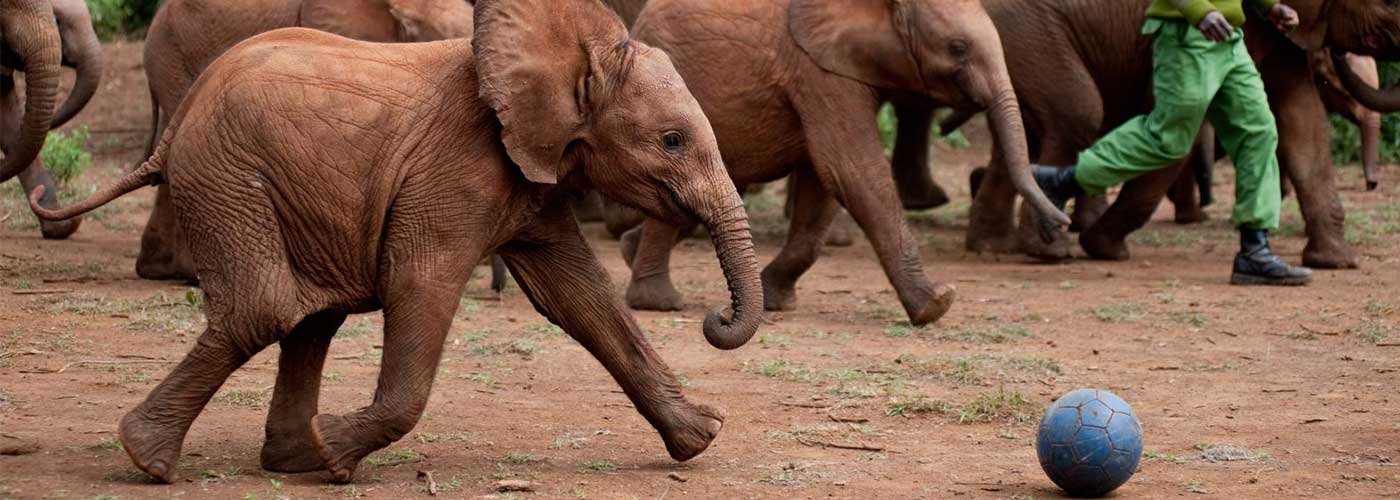
Elephants in Shimba hillsShimba Hills National Reserve has a coastal rain forest, grassland and woodlands. You will find a variety of of plant biodiversity in which is over 50% of rare plants. You will find some endangered species such as cycad and orchids. The reserve is a habitat of bird species and butterflies and the reserve is the only place where you can see Sable Antelopes. TheReserve is rich with a large number of African elephants which is over 500. They are kept in the Mwalunganje elephant Sanctuary which shares a boundary that creates a migration corridor for the elephants.Other animals to see in Shimba Hills National Reserve include Sable antelopes, Elephant shrew, bushy tailed mongoose and many more wild life.
Park entrance fees
The entrance fees into Shimba Hills National Reserve is 22 USD for Non- residents (adults) and 13 USD per child, Residents 300 Kshs per (adults) and 125 Kshs per (child) then the citizens pay 300 Kshs per (adult) and 125 Kshs per (child). Shimba Hills National Reserve is always open from 6:00 am to 6:00 pm.
Attractions
Elephant SanctuaryShimba Hills NationalReserve has over 500 elephants in the Mwalunganje Elephant Sanctuary. The sanctuary was created to create a migration corridor for movements for the elephants from Mwalunganje Forest Reserve which is in the north to cross to Shimba National reserve in the South. Sable Antelopes Shimba Hills National Reserve is a home to the Sable Antelopes which is the last breed of Antelopes in Kenya. These Sable antelopes are large ebony colored antelopes which have long backward scimitar shaped horns. You will be able to see a number of Sable Antelopes when you visit Shimba Hills National Reserve.Sheldrick Water Falls Sheldrick Water Falls are surrounded by vines and greenery. The Sheldrick fallscreate a natural plunge pool when it is flowing. All this makes the Sheldrick water falls a good spot for photography.Mwalunganje ForestThe Mwalunganje forest is found inside the sanctuary. While having a guided nature walk in Mwalunganje, the forest offers tourists chance to see different kinds of wild animals including the elephants.
Activities to do
Game Viewing You can do game viewing in Shimba Hills National Reserve where you will be able to see different kinds of animals such as Bush pigs, water bucks, Coastal black and white, Blue Duckier, Serval cat, Red Shrew, and many more. Many wild animals like the elephants spend most time in the deep ends of the forest so it will take you some time to see them but the experience while searching for them is memorable. The best time to do game viewing in Shimba Hills National Reserve is in the Afternoon time since it’s when the temperature is cool. When the temperature is cool, it makes animals to leave their shades in search for water to quench their thirst. This gives tourists chance to see the different kinds of wild animals along the water banks.Guided Nature Walk You will have a guided nature walk in the Reserve. The nature walk is done from the forest tourists have with the help of the tour guides and game rangers whose purpose is to protect the tourists from dangerous predators which can be found in the forests. While on a guided nature walk, you will be able to see different kinds of animals such as elephants, Greater Galago, Black faced monkeys, Sykes monkeys, Black and red Shrew, endangered sable antelopes, Costal black and white colobus and many more. You can do a guided nature walk in Shimba Hills National Reserve in the morning hours and late in the afternoon hours. Bird watching Shimba Hills National Reserve is a good spot for bird lovers and birdwatchers since it is filled with different kinds of bird species. The National Reserve has over 230 bird species which fly around. The best time to bird watching is in the morning hours when the sky is still calm. In the months of November, April May is when the migratory birds arrive which adds to the already big number of the bird species since it is the rainy months. Some of the bird species to watch include; Forest Batis, Coastal Cisticola, Olive sunbird, Green Barbet, Green Tinkerbird, Zanzibar Greenbul, Black headed Oriole, Yellow- throated long claw, Golden Pipit, Crested Guineafowl, mottled swift and many more.
Best Time to Go to Shimba Hills National Reserve
The best time to visit Shimba Hills National reserve is during the dry season in the months of June to September and December to March. You should know that you can visit Shimba Hills National Reserve at any time of the year however the visits during wet season can get more challenging since the tend to be slippery.
How to Get to Shimba Hills National Reserve
ByRoad;
You can use various routes to reach the reserve. The main gate lies 3 kilo meters from Kwale. It can take you one hour to reach the national reserve. From Mombasa or Dian beach, the road is smoother. By Air; You can use a charter flight you can book for the flight from Wilson Airport which is 6 kilo meters south from Nairobi through a tour operator who knows the daily schedules of the flights available. You can also use domestic carriers such as Air Kenya, Mombasa Air safari, Safari Link, and East African and all these fly to Dian Beach. Which takes them an hour to reach Shimba Hills National Reserve. You can trust Jewel Safaris Uganda as your tour operator to book for your flight, and organise for you a tour package with activities from Shimba Hills National Reserve.
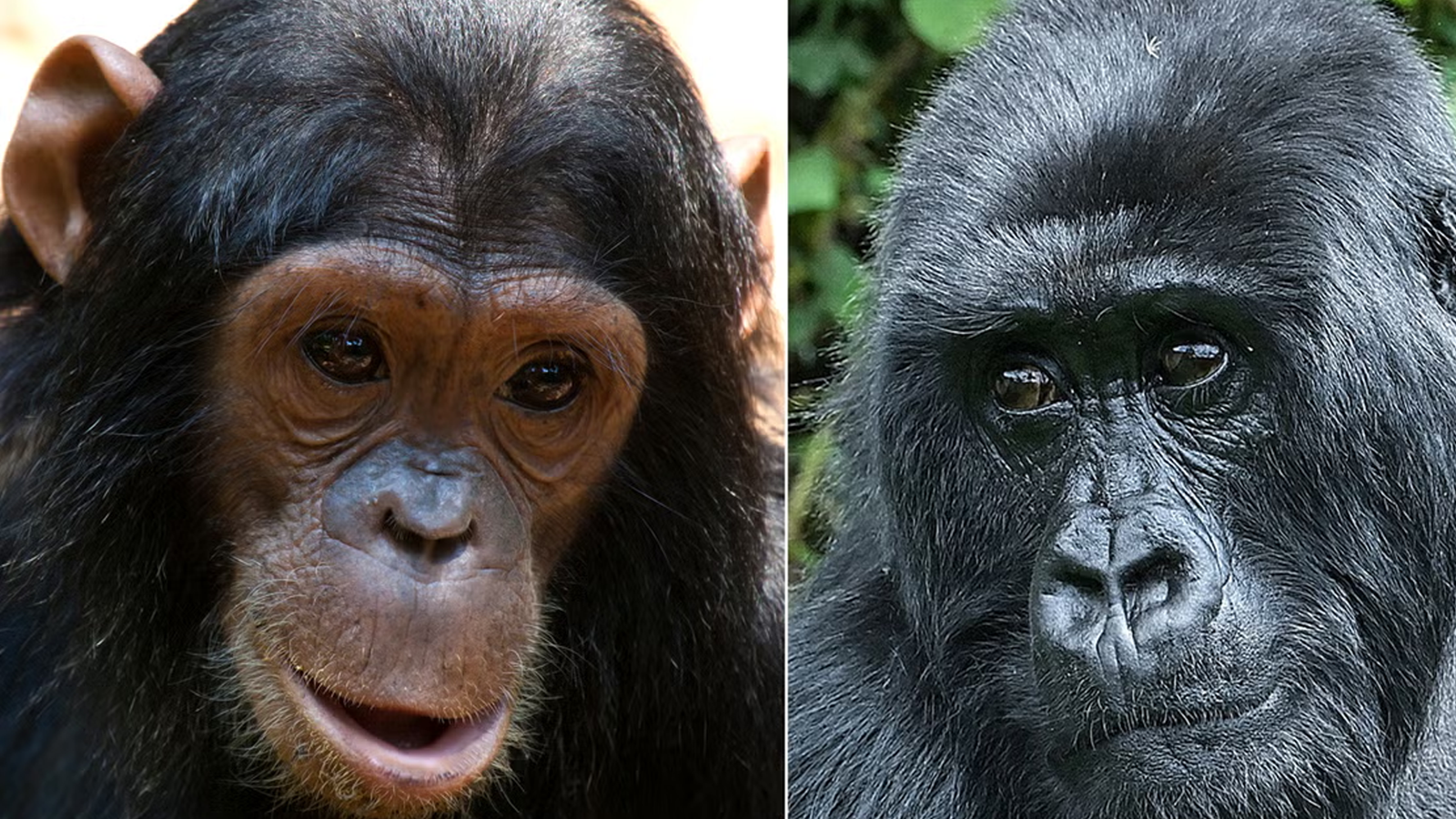
The Main Difference Between Gorillas and Chimpanzees Gorillas and chimpanzees are two of the most fascinating primates in the world. While they belong to the great ape family, they have distinct differences in appearance, behavior, habitat, and social structure. Understanding...
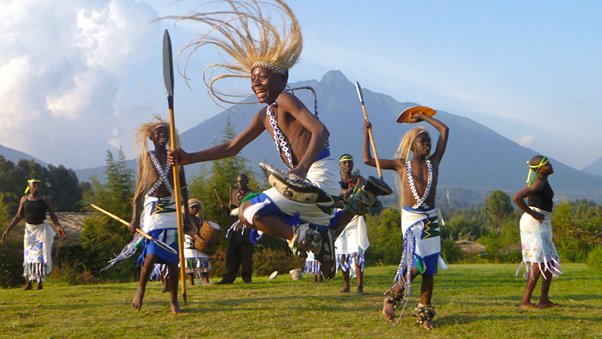
Are you planning a cultural tour in Rwanda? If so, there’s much more to discover beyond its famous wildlife. Known as the “Land of a Thousand Hills,” Rwanda is one of Africa’s most captivating destinations. While gorilla trekking remains the...
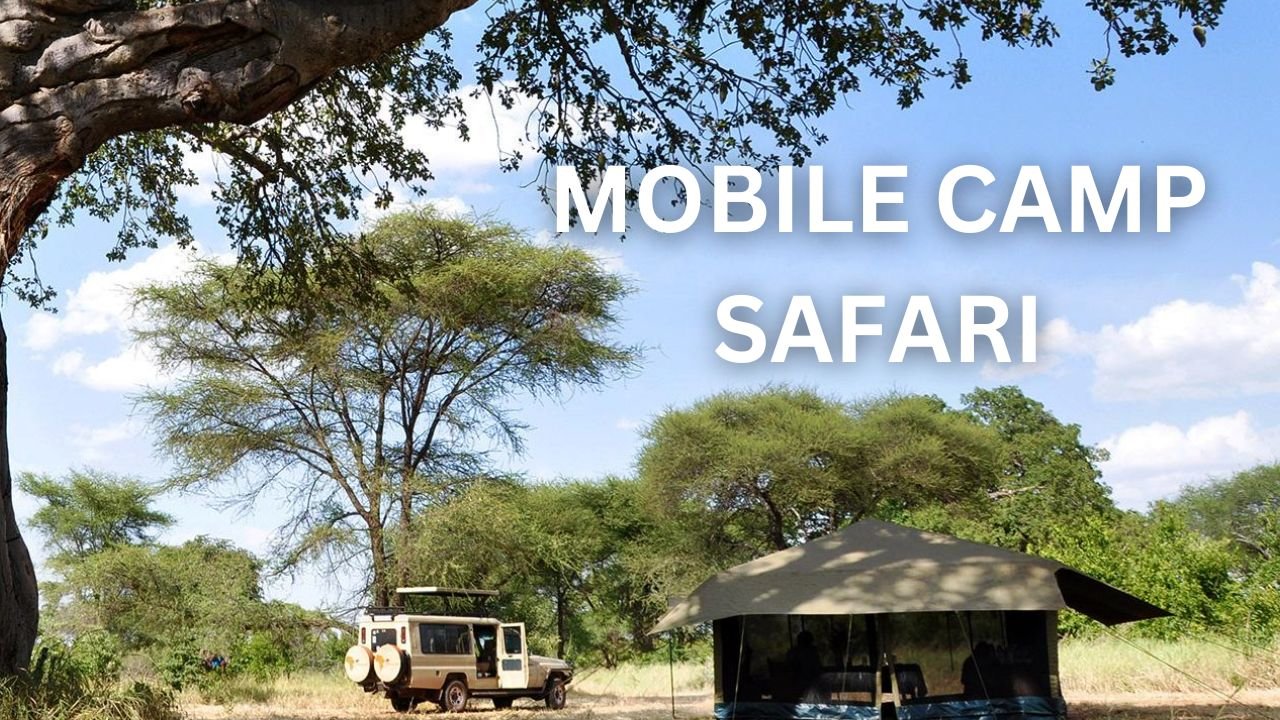
A mobile camping safari in Tanzania offers a unique and immersive way to experience the country’s incredible wildlife and landscapes, with the added benefit of flexibility. Here’s everything you need to know before embarking on this type of adventure: What...