
 Rwanda also offers a well-organized tourism infrastructure, with excellent roads, high-end accommodations, and advanced conservation initiatives like the Dian Fossey Gorilla Fund.
If you’re planning to visit Rwanda for the first time, you’ve come to the right place. Based on our extensive experience traveling through Rwanda and designing personalized trips for thousands of travelers since 1998, we’ve compiled this essential Rwanda travel guide.
Rwanda also offers a well-organized tourism infrastructure, with excellent roads, high-end accommodations, and advanced conservation initiatives like the Dian Fossey Gorilla Fund.
If you’re planning to visit Rwanda for the first time, you’ve come to the right place. Based on our extensive experience traveling through Rwanda and designing personalized trips for thousands of travelers since 1998, we’ve compiled this essential Rwanda travel guide.
Where is Rwanda?
 The Republic of Rwanda is a landlocked country located in Central Africa’s Great Rift Valley, where Africa’s Great Lakes region meets Southeast Africa. Bordered by Uganda, Tanzania, Burundi, and the Democratic Republic of the Congo, Rwanda’s geography features a mix of mountains, savanna, and numerous lakes.
Positioned just south of the Equator, Rwanda’s stunning quilt-like topography and elevated terrain have earned it the nickname, “Land of a Thousand Hills.”
The Republic of Rwanda is a landlocked country located in Central Africa’s Great Rift Valley, where Africa’s Great Lakes region meets Southeast Africa. Bordered by Uganda, Tanzania, Burundi, and the Democratic Republic of the Congo, Rwanda’s geography features a mix of mountains, savanna, and numerous lakes.
Positioned just south of the Equator, Rwanda’s stunning quilt-like topography and elevated terrain have earned it the nickname, “Land of a Thousand Hills.”
Why Visit Rwanda?
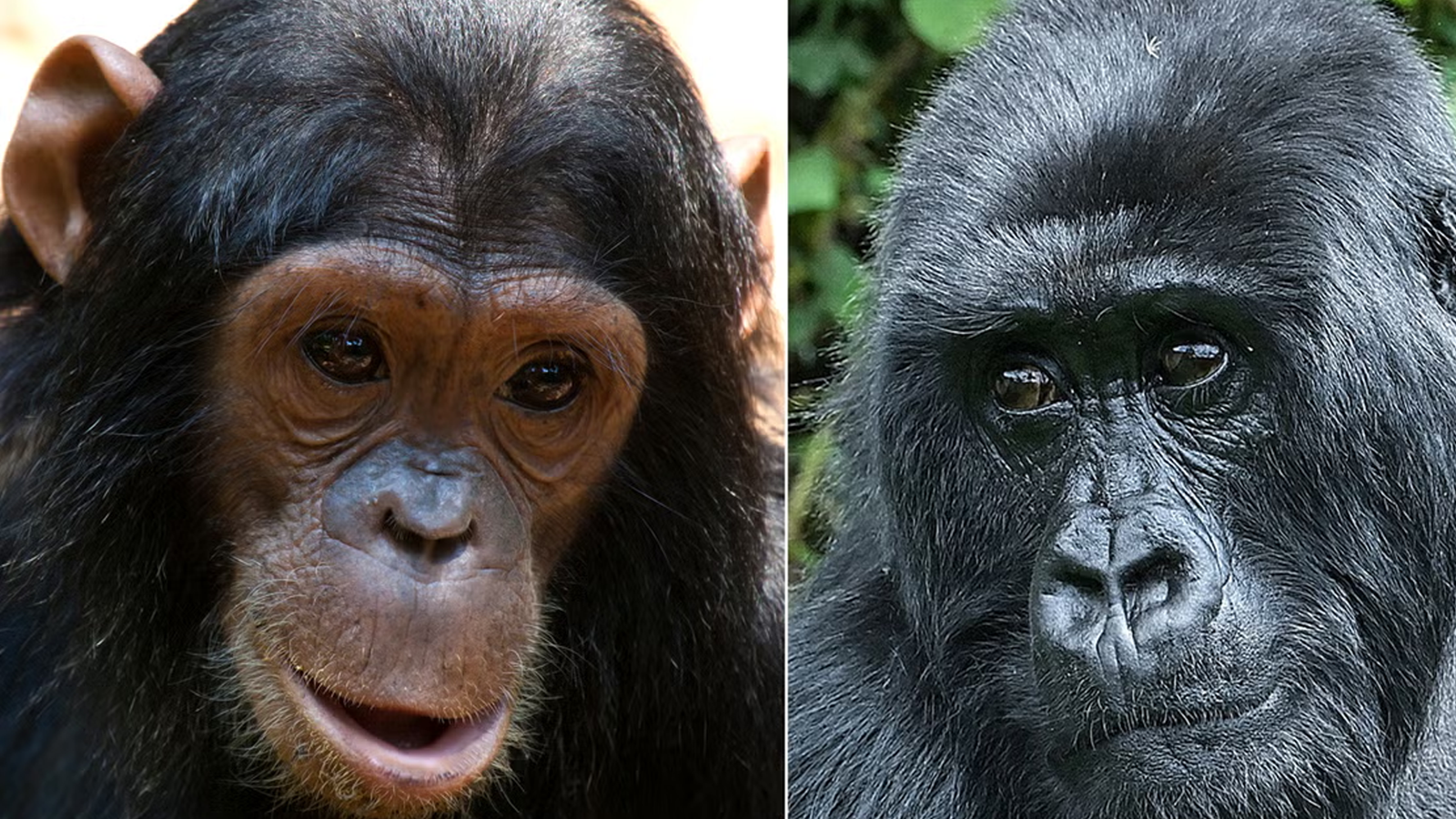
One of Rwanda’s greatest tourist attractions – and perhaps the most remarkable wildlife experience on Earth – is gorilla trekking. Rwanda’s Volcanoes National Park offers visitors the chance to trek into montane rainforests to encounter the world’s last surviving mountain gorillas. With only about 900 mountain gorillas remaining in the wild, these intimate encounters in their natural habitat leave a lasting impression on every traveler.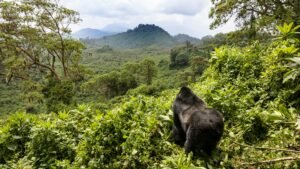 Rwanda is renowned for offering the most accessible gorilla trekking experiences in Africa. Volcanoes National Park is just 80 kilometers (50 miles) from Kigali International Airport, making it an ideal destination for those with limited time.
You can arrive in Kigali, travel to your lodge, trek the following day, and be back at the airport the day after – all within a span of five days or less. This accessibility makes Rwanda the perfect choice for an unforgettable gorilla trekking adventure.
Rwanda is renowned for offering the most accessible gorilla trekking experiences in Africa. Volcanoes National Park is just 80 kilometers (50 miles) from Kigali International Airport, making it an ideal destination for those with limited time.
You can arrive in Kigali, travel to your lodge, trek the following day, and be back at the airport the day after – all within a span of five days or less. This accessibility makes Rwanda the perfect choice for an unforgettable gorilla trekking adventure.
Track Chimpanzees & Other Primates
 Chimpanzee Trekking in Nyungwe Forest National Park, Rwanda
While gorilla trekking is undoubtedly one of the top attractions in Rwanda, there are plenty of other primate trekking experiences to enjoy. Nyungwe Forest National Park, located in the southwestern corner of Rwanda, is home to thirteen different primate species, including chimpanzees and the endangered Rwenzori colobus monkeys. This pristine tropical rainforest is an incredible destination for nature enthusiasts.
Covering over 1,000 square kilometers (385 square miles), Nyungwe is the largest remaining area of montane forest in East or Central Africa. The park is rich in biodiversity, housing around 310 bird species, over 75 mammal species, and hundreds of butterflies and orchids. As you hike through the mist-covered hills, you’ll hear the calls of chimpanzees and the melodies of various bird species, making Nyungwe a must-visit for primate lovers.
Chimpanzee Trekking in Nyungwe Forest National Park, Rwanda
While gorilla trekking is undoubtedly one of the top attractions in Rwanda, there are plenty of other primate trekking experiences to enjoy. Nyungwe Forest National Park, located in the southwestern corner of Rwanda, is home to thirteen different primate species, including chimpanzees and the endangered Rwenzori colobus monkeys. This pristine tropical rainforest is an incredible destination for nature enthusiasts.
Covering over 1,000 square kilometers (385 square miles), Nyungwe is the largest remaining area of montane forest in East or Central Africa. The park is rich in biodiversity, housing around 310 bird species, over 75 mammal species, and hundreds of butterflies and orchids. As you hike through the mist-covered hills, you’ll hear the calls of chimpanzees and the melodies of various bird species, making Nyungwe a must-visit for primate lovers.
See the Big 5 in Rwanda
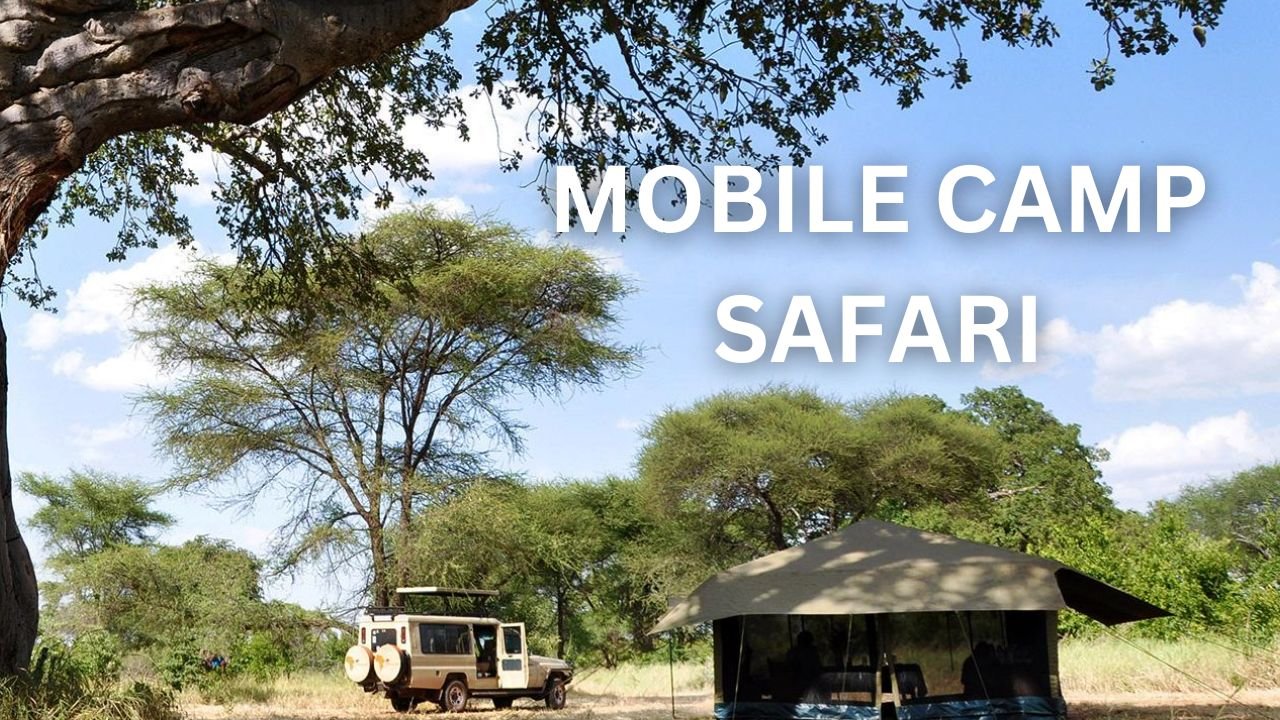
Safari Adventures in Akagera National Park Rwanda may not always be associated with traditional safaris, but if you’re already planning to visit for gorilla trekking, a safari in Akagera National Park is a perfect addition. The park is known for its breathtaking landscapes, from savannah plains to lakes, papyrus swamps, rolling hills, and dramatic valleys. It’s one of the most scenic parks in Africa. Akagera is home to Central Africa’s largest protected wetlands and supports around 8,000 animals. In recent years, successful reintroduction programs have brought lions back to Akagera in 2015, followed by Eastern black rhinos in 2017. These efforts have made Akagera one of the top Big 5 safari destinations in Africa, offering an incredible wildlife experience. Managed in partnership with African Parks, the park is a success story in conservation and a wonderful place to explore.
Explore One of Africa’s Cleanest & Most Inspiring Cities
Kigali – Rwanda’s Modern Capital
Rwanda is leading the way in sustainability, and Kigali, the capital city, is a shining example of this. As one of the cleanest cities in Africa, Kigali has embraced eco-friendly initiatives such as a national ban on non-biodegradable plastic bags, which was introduced in 2008. Additionally, the country’s Umuganda program, a community clean-up project held on the last Saturday of each month, helps keep Kigali’s streets spotless. During your visit to Rwanda, you’ll likely spend some time in Kigali. The city is beautifully spread across hills, valleys, and ridges, offering stunning views and a vibrant atmosphere.
From chic boutiques and lively coffee shops to lively markets and modern shopping malls, Kigali is a city full of life. If you’re interested in the local history, be sure to visit the Kigali Genocide Memorial, which offers insight into Rwanda’s past while celebrating its remarkable journey of reconciliation and progress.
For those who enjoy history, the State House Museum and the Natural History Museum are also excellent places to explore while in Kigali.
During your visit to Rwanda, you’ll likely spend some time in Kigali. The city is beautifully spread across hills, valleys, and ridges, offering stunning views and a vibrant atmosphere.
From chic boutiques and lively coffee shops to lively markets and modern shopping malls, Kigali is a city full of life. If you’re interested in the local history, be sure to visit the Kigali Genocide Memorial, which offers insight into Rwanda’s past while celebrating its remarkable journey of reconciliation and progress.
For those who enjoy history, the State House Museum and the Natural History Museum are also excellent places to explore while in Kigali.
Nyungwe Forest National Park: Scenes from a Fairy Tale
Explore Nyungwe Forest: East Africa’s Canopy Walk
Nyungwe Forest National Park is one of the largest tropical rainforests in East and Central Africa, known for its breathtaking biodiversity. This ancient, pristine forest is home to a wide variety of species, including an incredible range of birds, butterflies, orchids, and around a quarter of all Africa’s primates.
The heart of Nyungwe feels like stepping into a fairy tale. Towering mahogany and ebony trees create a magical canopy, while colorful birds and butterflies flit around, and the calls of primates echo through the forest. For those seeking an extraordinary wildlife experience, Nyungwe is a must-visit.
Primate safaris are among the top attractions in Rwanda, and Nyungwe is the ideal destination for these tracking experiences. With 13 different primate species, including chimpanzees, Rwenzori colobus monkeys, l’Hoest’s monkeys, and grey-cheeked mangabeys, Nyungwe offers some of the best primate trekking in Africa.
Best Things to Do in Nyungwe Forest
Nyungwe Forest National Park boasts over 130 kilometers (80 miles) of hiking trails, providing visitors with plenty of opportunities to explore its lush, magical interior. Guided treks take you through enchanting habitats, offering one-of-a-kind experiences in the heart of the rainforest.
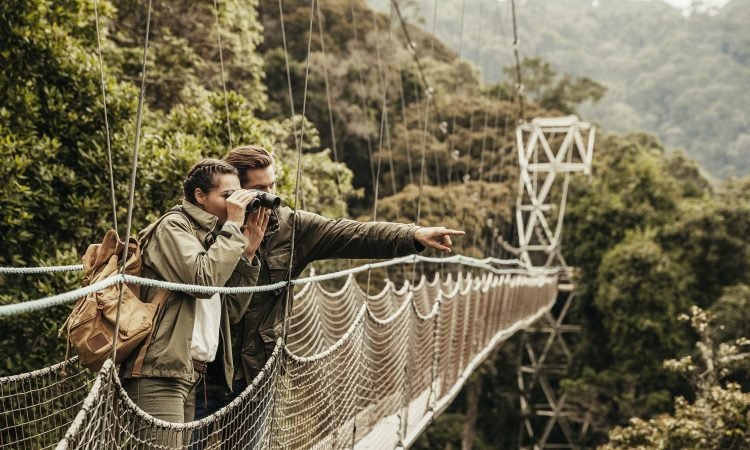
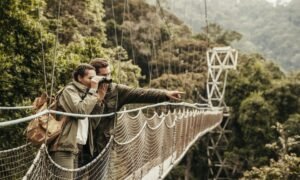
One of the park’s most unique attractions is the Igishigishigi Trail, a short hike that leads you to the highest canopy walk in East Africa. Suspended 50 meters (164 feet) above the forest floor, this metal bridge offers an unparalleled view of the forest’s grandeur – a thrilling experience for those looking to get a true sense of Nyungwe’s scale.
Akagera National Park
 Safari in Akagera National Park
Akagera National Park, one of Africa’s oldest reserves, spans 1,120 square kilometers (432 square miles) and has a rich history. First gazetted in 1934, the park endured significant damage during the 1990s due to poaching and cattle grazing, exacerbated by Rwanda’s civil war. However, through a successful partnership with African Parks, Akagera is now undergoing a remarkable recovery.
Thanks to anti-poaching initiatives and the reintroduction of species like lions and rhinos, Akagera is once again a thriving wildlife destination. The park’s diverse landscapes – from grasslands and savannah plains to marshes, papyrus swamps, and lakes – create a stunning backdrop for your safari adventure.
What to See in Akagera National Park
During your visit to Akagera, you’re likely to encounter a variety of plains species, including impala, giraffe, zebra, waterbuck, and topi. The park is also home to hippos, crocodiles, buffalo, and elephants. With the successful reintroduction of lions and rhinos, Akagera now offers a Big 5 safari experience. Leopards, while present, are more elusive due to their stealthy nature.
For birdwatchers, Akagera is a paradise, with over 480 species recorded. The park’s birdlife includes raptors, savannah species, and endemic birds like the red-faced barbet. On boat cruises along Akagera’s lakes, you can spot waterbirds such as African fish eagles, crowned cranes, and open-billed storks. If you’re lucky, you might even see the rare and prehistoric-looking shoebill, also known as the “whalehead.”
Whether you’re a nature enthusiast or a safari lover, Akagera National Park offers an unforgettable experience that highlights Rwanda’s ongoing commitment to wildlife conservation.
Safari in Akagera National Park
Akagera National Park, one of Africa’s oldest reserves, spans 1,120 square kilometers (432 square miles) and has a rich history. First gazetted in 1934, the park endured significant damage during the 1990s due to poaching and cattle grazing, exacerbated by Rwanda’s civil war. However, through a successful partnership with African Parks, Akagera is now undergoing a remarkable recovery.
Thanks to anti-poaching initiatives and the reintroduction of species like lions and rhinos, Akagera is once again a thriving wildlife destination. The park’s diverse landscapes – from grasslands and savannah plains to marshes, papyrus swamps, and lakes – create a stunning backdrop for your safari adventure.
What to See in Akagera National Park
During your visit to Akagera, you’re likely to encounter a variety of plains species, including impala, giraffe, zebra, waterbuck, and topi. The park is also home to hippos, crocodiles, buffalo, and elephants. With the successful reintroduction of lions and rhinos, Akagera now offers a Big 5 safari experience. Leopards, while present, are more elusive due to their stealthy nature.
For birdwatchers, Akagera is a paradise, with over 480 species recorded. The park’s birdlife includes raptors, savannah species, and endemic birds like the red-faced barbet. On boat cruises along Akagera’s lakes, you can spot waterbirds such as African fish eagles, crowned cranes, and open-billed storks. If you’re lucky, you might even see the rare and prehistoric-looking shoebill, also known as the “whalehead.”
Whether you’re a nature enthusiast or a safari lover, Akagera National Park offers an unforgettable experience that highlights Rwanda’s ongoing commitment to wildlife conservation.
Kigali: A Modern & Uplifting Capital
 Kigali, Rwanda’s vibrant capital, is the gateway to the country’s iconic gorilla trekking safaris. Most visitors fly into Kigali International Airport and, depending on their itinerary, either head straight to Volcanoes National Park (approximately 80 kilometers or 50 miles away) or spend some time exploring Kigali itself.
While many tourists use Kigali as a quick stopover before and after a gorilla trekking adventure, those with extra time will find it a wonderful city to explore. Kigali has relatively low tourist traffic, offering a more intimate experience where you can engage with friendly locals and gain a deeper understanding of Rwanda’s history and culture.
A must-visit in Kigali is the Kigali Genocide Memorial, one of the most important tourist attractions in Rwanda. Set amidst beautiful rose gardens and water fountains, the memorial provides a moving account of the events leading up to Rwanda’s 1994 genocide, helping visitors understand the tragic history while recognizing how far the country has come in its healing journey. A visit to the memorial is essential for any first-time traveler to Rwanda and will leave a lasting impact.
Kigali, Rwanda’s vibrant capital, is the gateway to the country’s iconic gorilla trekking safaris. Most visitors fly into Kigali International Airport and, depending on their itinerary, either head straight to Volcanoes National Park (approximately 80 kilometers or 50 miles away) or spend some time exploring Kigali itself.
While many tourists use Kigali as a quick stopover before and after a gorilla trekking adventure, those with extra time will find it a wonderful city to explore. Kigali has relatively low tourist traffic, offering a more intimate experience where you can engage with friendly locals and gain a deeper understanding of Rwanda’s history and culture.
A must-visit in Kigali is the Kigali Genocide Memorial, one of the most important tourist attractions in Rwanda. Set amidst beautiful rose gardens and water fountains, the memorial provides a moving account of the events leading up to Rwanda’s 1994 genocide, helping visitors understand the tragic history while recognizing how far the country has come in its healing journey. A visit to the memorial is essential for any first-time traveler to Rwanda and will leave a lasting impact.
 Other notable places to visit in Kigali include the State House Museum and the Natural History Museum. The city is also home to contemporary shopping malls, a thriving café and bar scene, vibrant markets, and hotels of international standard.
Best Things to Do in Kigali:
Other notable places to visit in Kigali include the State House Museum and the Natural History Museum. The city is also home to contemporary shopping malls, a thriving café and bar scene, vibrant markets, and hotels of international standard.
Best Things to Do in Kigali:
- Visit the Kigali Genocide Memorial.
- Shop for curios and souvenirs at the Caplaki Handicrafts Cooperative.
- Enjoy live music and art workshops at the Kigali Cultural Village.
- Sample delicious fair-trade coffee at the Hingakwa Women’s Coffee Cooperative.
Lake Kivu: Africa’s Sixth Largest Lake
Nestled on Rwanda’s western border, Lake Kivu is one of Africa’s Great Rift Valley lakes and a hidden gem among the country’s tourist attractions. The real charm of the Lake Kivu region lies in its scenic drives, where the road winds through picturesque hills and mountains alongside the tranquil waters. This route offers a leisurely way to travel between Nyungwe Forest and Volcanoes National Parks, with plenty of opportunities to stop and enjoy the lake’s pristine beaches and safe, warm swimming waters.
Best Things to Do at Lake Kivu
Spend a couple of days in Gisenyi, a charming town located on the northern edge of Lake Kivu. Once a colonial beach resort, Gisenyi boasts a lakeside lined with elegant old mansions, trendy bars perfect for sundowner cocktails, and a selection of hotels offering international standards of comfort. Gisenyi is the ideal place to relax, unwind, and enjoy the natural beauty of the area.
This route offers a leisurely way to travel between Nyungwe Forest and Volcanoes National Parks, with plenty of opportunities to stop and enjoy the lake’s pristine beaches and safe, warm swimming waters.
Best Things to Do at Lake Kivu
Spend a couple of days in Gisenyi, a charming town located on the northern edge of Lake Kivu. Once a colonial beach resort, Gisenyi boasts a lakeside lined with elegant old mansions, trendy bars perfect for sundowner cocktails, and a selection of hotels offering international standards of comfort. Gisenyi is the ideal place to relax, unwind, and enjoy the natural beauty of the area.
When to Go to Rwanda
The best time to visit Rwanda is during the dry season, between June and September. This period offers the most comfortable weather for activities like gorilla trekking in Volcanoes National Park, safaris in Akagera, and the lowest risk of malaria. While gorilla trekking is possible throughout the year, conditions can be more challenging during the rainy season, with muddy trails and unpredictable weather. For those visiting Rwanda in January and February, the weather is warm during the day, especially in high-altitude regions like Kigali, Volcanoes, and Nyungwe, and cool in the evenings. Lower-altitude areas like Akagera National Park tend to be hotter throughout the day. These months are excellent for a safari in Akagera or for enjoying Rwanda’s stunning landscapes, though the humidity may be higher compared to the June to September period.Guidelines for the Best Time to Visit Rwanda

What It Will Cost to Visit Rwanda
Cost Considerations for Your Rwanda Trip When planning a trip to Rwanda, it’s important to note that costs can vary widely depending on several factors, including the time of year you’re traveling, how long you plan to stay, and the type of accommodation you prefer. With so many variables to consider, providing a one-size-fits-all price estimate is difficult. That’s why reputable travel companies like Jewel Safaris emphasize a personalized approach to trip planning. Rather than offering a standard package deal, they work closely with each traveler to create a bespoke itinerary tailored to your preferences and budget. This allows for a more accurate reflection of the costs involved, ensuring that you get the best possible experience while staying within your desired budget. From comfortable mid-range lodges to luxury accommodations, Rwanda offers options for every type of traveler. Whether you’re looking for an authentic budget experience or a more luxurious safari, a well-crafted itinerary ensures that all your needs and preferences are met, giving you the opportunity to explore Rwanda in the most fitting way for your budget. However, if you’re looking for ballpark figures that may help with formulating a budget, here are some guidelines: Note: all costs are guidelines only and an average for per person, per night, sharing a room in Low and High Season. They exclude international flights, visas and optional activities.
How to Plan Your First-Time Visit to Rwanda
Excited to Visit Rwanda for the First Time? Here’s How to Make It Seamless
Planning your first visit to Rwanda is an exciting endeavor! With its incredible wildlife, stunning landscapes, and rich culture, Rwanda offers unforgettable experiences. To help ensure a smooth and memorable trip, here are some expert tips:
1. Know When You Want to Go
Timing is key when visiting Rwanda. Many of the top attractions, such as gorilla trekking, are highly dependent on seasonal factors like rainfall. The best time for activities like trekking and safaris is during Rwanda’s dry season (June to September), but certain experiences can still be enjoyed in the wet season, though the weather may present more challenges. Deciding when you want to go will greatly influence your itinerary, so it’s helpful to have your preferred travel dates in mind early on.
2. Know Where You Want to Go
Before booking, think about what experiences are most important to you during your Rwanda visit. Do you dream of encountering mountain gorillas in Volcanoes National Park? Or perhaps you’re keen to experience a safari in Akagera National Park to see the Big 5? Your interests will determine the destinations and activities that should be at the core of your trip. Having a clear idea of what you want to do will help you plan the perfect itinerary.
3. Have a Budget Estimate
Rwanda, like most African destinations, offers a range of experiences that vary in cost. It’s important to establish a budget early on. Understanding what makes African safaris expensive—such as permits for gorilla trekking, accommodations, and guided tours—will help you set realistic expectations. Once you have a budget band that you’re comfortable with, share it with your travel agent to help streamline the planning process and ensure your itinerary aligns with your financial goals.
4. Choose an Established Travel Agent
When planning your first-time visit to Rwanda, it’s essential to select a travel agent with the right qualifications. Look for the following criteria to ensure a smooth planning experience:
Note: all costs are guidelines only and an average for per person, per night, sharing a room in Low and High Season. They exclude international flights, visas and optional activities.
How to Plan Your First-Time Visit to Rwanda
Excited to Visit Rwanda for the First Time? Here’s How to Make It Seamless
Planning your first visit to Rwanda is an exciting endeavor! With its incredible wildlife, stunning landscapes, and rich culture, Rwanda offers unforgettable experiences. To help ensure a smooth and memorable trip, here are some expert tips:
1. Know When You Want to Go
Timing is key when visiting Rwanda. Many of the top attractions, such as gorilla trekking, are highly dependent on seasonal factors like rainfall. The best time for activities like trekking and safaris is during Rwanda’s dry season (June to September), but certain experiences can still be enjoyed in the wet season, though the weather may present more challenges. Deciding when you want to go will greatly influence your itinerary, so it’s helpful to have your preferred travel dates in mind early on.
2. Know Where You Want to Go
Before booking, think about what experiences are most important to you during your Rwanda visit. Do you dream of encountering mountain gorillas in Volcanoes National Park? Or perhaps you’re keen to experience a safari in Akagera National Park to see the Big 5? Your interests will determine the destinations and activities that should be at the core of your trip. Having a clear idea of what you want to do will help you plan the perfect itinerary.
3. Have a Budget Estimate
Rwanda, like most African destinations, offers a range of experiences that vary in cost. It’s important to establish a budget early on. Understanding what makes African safaris expensive—such as permits for gorilla trekking, accommodations, and guided tours—will help you set realistic expectations. Once you have a budget band that you’re comfortable with, share it with your travel agent to help streamline the planning process and ensure your itinerary aligns with your financial goals.
4. Choose an Established Travel Agent
When planning your first-time visit to Rwanda, it’s essential to select a travel agent with the right qualifications. Look for the following criteria to ensure a smooth planning experience:
- Personal experience in Rwanda: Your travel agent should have firsthand knowledge of the country to offer valuable insights and recommendations.
- Independent advice: A good agent will offer unbiased suggestions and not be tied to specific lodges, safari operators, or marketing companies.
- Financial protection: Ensure your travel investment is protected with necessary supplier insurance.
- Comprehensive service: Work with an agent who provides a full range of services, including booking flights, activities, accommodations, transfers, and more.
- 24/7 on-safari support: It’s crucial to have ongoing support during your trip, especially when you’re on safari.
- Recent independent reviews: Look for positive, recent reviews on independent sites like Feefo to ensure the agency’s credibility and reliability.