
 If you’ve been on safari before, you might already be familiar with the essentials, but a wildebeest migration safari calls for a bit more preparation to ensure you’re fully ready for your East Africa adventure. While the standard safari attire and gear apply here as well, a few extra items from our list below may be exactly what you need to make the most of your Migration experience.
We delve into everything you’ll need to pack to be thoroughly prepared for the African wildebeest Migration. For a comprehensive guide to safari packing, check out our detailed blog on what to pack for the great migration.
If you’ve been on safari before, you might already be familiar with the essentials, but a wildebeest migration safari calls for a bit more preparation to ensure you’re fully ready for your East Africa adventure. While the standard safari attire and gear apply here as well, a few extra items from our list below may be exactly what you need to make the most of your Migration experience.
We delve into everything you’ll need to pack to be thoroughly prepared for the African wildebeest Migration. For a comprehensive guide to safari packing, check out our detailed blog on what to pack for the great migration.
1. Binoculars and Camera Equipment

While not absolutely essential, a reliable pair of binoculars can be incredibly useful for distant sightings. In some cases, you may not be able to go off-road, and when that happens, binoculars could be the difference between catching a one-of-a-kind Migration moment and missing it altogether. They allow you to experience the action up-close without moving a muscle.
During the safari’s peak season—commonly referred to as the high season, which runs from early June to mid-to-late October—parks can become quite crowded with both people and vehicles. Popular Migration viewing spots, like river crossings, often draw large groups of spectators. This is where a pair of binoculars proves invaluable, allowing you to enjoy unobstructed views even from a distance.
Our advice: To escape the crowds and enjoy a more intimate experience, consider staying in private conservancies. These exclusive areas offer unparalleled opportunities to witness the Mara crossings in peace, away from the bustling crowds, and with a touch of untrodden luxury. We recommend them wholeheartedly, having experienced their charm ourselves.
While we encourage you to be present and take in every moment of the experience, you’ll come across picture-perfect moments that you’ll want to capture and keep forever.
 Whether you’re using a high-end DSLR, a pocket-sized point-and-shoot, or just your smartphone camera, be sure to have your device readily available at all times. For those interested in using a drone, it’s important to check the regulations for the camps and parks you’ll be visiting, as policies can vary by location. However, be aware that most camps enforce a no-drone policy for reasons of guest privacy and wildlife safety.
While photo opportunities in the bush are plentiful, the unpredictable nature of the Migration means your “magic shot” could happen at any moment. Stay attentive and ready to capture those once-in-a-lifetime scenes. If you feel the need to refine your photography skills, refer to our guide on photographing animals in motion for helpful tips.
Whether you’re using a high-end DSLR, a pocket-sized point-and-shoot, or just your smartphone camera, be sure to have your device readily available at all times. For those interested in using a drone, it’s important to check the regulations for the camps and parks you’ll be visiting, as policies can vary by location. However, be aware that most camps enforce a no-drone policy for reasons of guest privacy and wildlife safety.
While photo opportunities in the bush are plentiful, the unpredictable nature of the Migration means your “magic shot” could happen at any moment. Stay attentive and ready to capture those once-in-a-lifetime scenes. If you feel the need to refine your photography skills, refer to our guide on photographing animals in motion for helpful tips.
2. Mosquito and Insect Repellent
If you’re traveling in East Africa during peak Migration season, there’s a good chance you’ll encounter some pesky insects. Always carry insect repellent with you, particularly for evening game drives, when the setting sun brings out mosquitoes and tsetse flies. Tsetse flies, common in much of Tanzania’s northern circuit parks, are biting insects similar to horseflies. If you’ve been on safari before, you’ve likely encountered them. For first-time travelers, their persistence can be surprising. Tsetse flies are especially attracted to black and blue clothing, so it’s advisable to avoid these colors on safari to minimize the chance of attracting them.3. Sun Protection: A Hat, Sunglasses, and Sunscreen
 The African sun can be unforgiving, especially during warmer seasons. To protect yourself, always apply sunscreen with a high SPF (at least SPF 50) before heading out, and keep a bottle handy for reapplication throughout the day. Mornings may start cool and dark during game drives, but the sun quickly intensifies once daylight sets in.
Wear a wide-brimmed hat to shield your face, neck, and ears, and invest in quality sunglasses to protect your eyes from glare. These essentials ensure you stay comfortable and safeguarded from the sun’s harsh effects during your safari.
The African sun can be unforgiving, especially during warmer seasons. To protect yourself, always apply sunscreen with a high SPF (at least SPF 50) before heading out, and keep a bottle handy for reapplication throughout the day. Mornings may start cool and dark during game drives, but the sun quickly intensifies once daylight sets in.
Wear a wide-brimmed hat to shield your face, neck, and ears, and invest in quality sunglasses to protect your eyes from glare. These essentials ensure you stay comfortable and safeguarded from the sun’s harsh effects during your safari.
4. Clothing: Neutral-Coloured, Breathable Layers & Closed Shoes
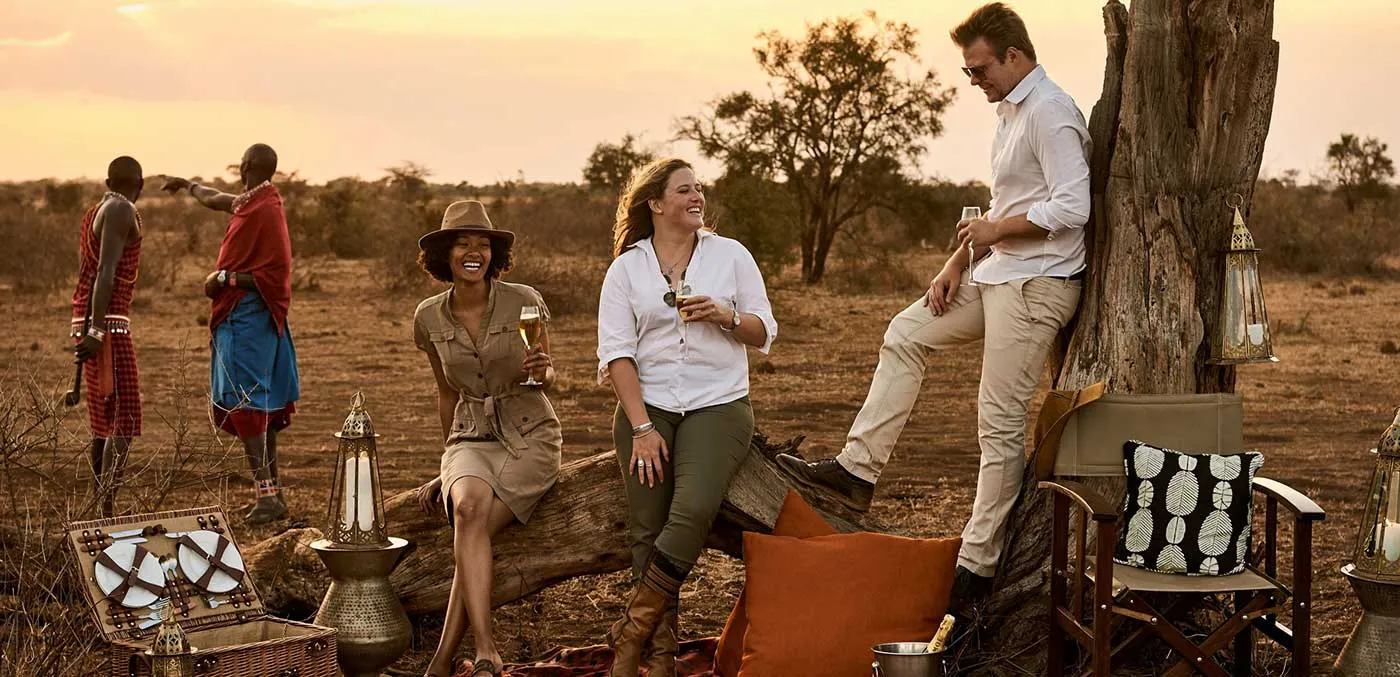
When packing for your safari, prioritize lightweight, breathable fabrics for maximum comfort. Long-sleeved tops and trousers in neutral tones (such as khaki, beige, or olive) offer protection from the sun and insects while blending into the natural surroundings—ideal for wildlife viewing. Although daytime temperatures during the Great Migration (mid-20s°C/mid-70s°F) are pleasant, mornings and evenings can be chilly. Layering is key—include items like sweaters, down jackets, and a waterproof outer layer in case of sudden rain showers.
Closed, walking-friendly shoes are essential for bush walks or hiking. Trail shoes or desert boots work well for keeping your feet protected and comfortable in rugged terrain. Reserve flip-flops or sandals for relaxing back at camp or by the pool.
For a detailed breakdown of safari weather conditions, check out our guides on the best times to visit Tanzania and Kenya.
Although daytime temperatures during the Great Migration (mid-20s°C/mid-70s°F) are pleasant, mornings and evenings can be chilly. Layering is key—include items like sweaters, down jackets, and a waterproof outer layer in case of sudden rain showers.
Closed, walking-friendly shoes are essential for bush walks or hiking. Trail shoes or desert boots work well for keeping your feet protected and comfortable in rugged terrain. Reserve flip-flops or sandals for relaxing back at camp or by the pool.
For a detailed breakdown of safari weather conditions, check out our guides on the best times to visit Tanzania and Kenya.
5. A Portable Charger
Even though some safari vehicles are equipped with charging ports, it’s not guaranteed, so having a portable charger or power bank is crucial. This ensures your devices—whether it’s your phone, camera, or other electronics—stay charged and ready for use, especially during long game drives. To avoid surprises, always leave your camp or lodge with your devices fully charged. Most safari lodges are equipped with universal plug points and USB ports for your convenience, but a portable charger adds an extra layer of preparedness.6. Travel Documents, Vaccination Certificates, and Medications
 Preparation is key when traveling for the Great Wildebeest Migration. Ensure you have all the required documents, including your passport, visa (if applicable), travel insurance, boarding passes, and vaccination certificates. Double-check with your travel agent and doctor to confirm the specific requirements for your destination and ensure a seamless travel experience.
Vaccination requirements vary by country, so inform your healthcare provider about all the regions you plan to visit. Some countries may require proof of vaccination for diseases like yellow fever. Plan to visit your doctor at least 4-6 weeks before your trip to receive any necessary vaccines and ensure you’re in good health to travel.
Finally, bring all essential medications, including prescriptions, over-the-counter remedies, and a basic first-aid kit. This will ensure you’re prepared for any minor health issues during your safari adventure.
Preparation is key when traveling for the Great Wildebeest Migration. Ensure you have all the required documents, including your passport, visa (if applicable), travel insurance, boarding passes, and vaccination certificates. Double-check with your travel agent and doctor to confirm the specific requirements for your destination and ensure a seamless travel experience.
Vaccination requirements vary by country, so inform your healthcare provider about all the regions you plan to visit. Some countries may require proof of vaccination for diseases like yellow fever. Plan to visit your doctor at least 4-6 weeks before your trip to receive any necessary vaccines and ensure you’re in good health to travel.
Finally, bring all essential medications, including prescriptions, over-the-counter remedies, and a basic first-aid kit. This will ensure you’re prepared for any minor health issues during your safari adventure.
Frequently Asked Questions:
Should I view the Great Migration in Tanzania or Kenya?
The answer to this depends on what you want to experience. Both destinations offer distinct highlights and unique landscapes. While the Mara River crossings often attract groups to Kenya’s Masai Mara, the Migration spends most of its time in Tanzania. This allows you to observe various phases of the Migration in the Serengeti.When is the best time to see the Great Migration?
As with the location, the best time to witness the Migration depends on what you wish to see. For Mara River crossings from the Northern Serengeti into the Masai Mara, August is the ideal time. However, if you want to witness newborn calves finding their footing, February to March is the perfect period for this incredible sight. For comprehensive details, refer to our Great Wildebeest Migration Guide, which covers everything you need to know.Can I self-drive during the Great Migration?
Although self-driving is an option, we highly recommend traveling with expert guides in a safari vehicle. These vehicles are specifically designed to optimize the safari experience, providing convenience and superior viewing opportunities. Additionally, guided safaris allow you to fully immerse yourself in the adventure without the stress of navigation.Should I choose a national park or a private reserve?
Private reserves are the way to go! While national parks offer certain benefits and are often more affordable, private reserves provide a superior experience, especially during the Great Migration’s peak season. National parks can become incredibly crowded during this time, as many travelers flock to witness the Migration. This can detract from the experience due to overcrowding. In contrast, private reserves offer a more exclusive experience, including access to private viewing areas with spectacular scenes of the Migration—opportunities you might not have in a national park.What is Included in our Wildebeest Migration Safari Packages?
While this may change from one itinerary to the next based on what activities are included, a brief summary of what is usually included/not included: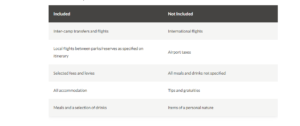 Can People of All Age Groups Enjoy the Wildebeest Migration?
While the Great Migration is not age-restricted, like many safaris, it often involves long periods of sitting and extended travel hours. Additionally, certain scenes encountered during the experience may not be suitable for young children.
It’s advisable to consult your Africa Safari Expert to determine what would be appropriate for a family with young children. They can guide you on what to expect and help you make an informed decision.
Is Tanzania Safe to Travel To? / Is Kenya Safe to Travel To?
Both Tanzania and Kenya are generally safe for travelers. However, as with any destination, it’s always prudent to take standard safety precautions to protect yourself and your belongings.
Can People of All Age Groups Enjoy the Wildebeest Migration?
While the Great Migration is not age-restricted, like many safaris, it often involves long periods of sitting and extended travel hours. Additionally, certain scenes encountered during the experience may not be suitable for young children.
It’s advisable to consult your Africa Safari Expert to determine what would be appropriate for a family with young children. They can guide you on what to expect and help you make an informed decision.
Is Tanzania Safe to Travel To? / Is Kenya Safe to Travel To?
Both Tanzania and Kenya are generally safe for travelers. However, as with any destination, it’s always prudent to take standard safety precautions to protect yourself and your belongings.