
Things to Do in the Masai Mara 2025
The Masai Mara in Kenya, often regarded as the birthplace of safari, is a sanctuary of diverse landscapes, abundant wildlife, and a rich cultural heritage. Located in the southwest of Kenya, it shares a border with the equally renowned Serengeti National Park, home to the awe-inspiring Wildebeest Migration. Every year, millions of wildebeest and zebra cross the Mara River during this spectacular event. Naturally, witnessing the Great Migration tops the list of must-do experiences in the Masai Mara. However, a safari here offers far more than just its iconic herds. Whether you’re a sunset enthusiast seeking some of the world’s most captivating sunsets, an adventurer eager to venture off the beaten path, or a first-time safari-goer exploring the African plains, the Masai Mara is sure to captivate you.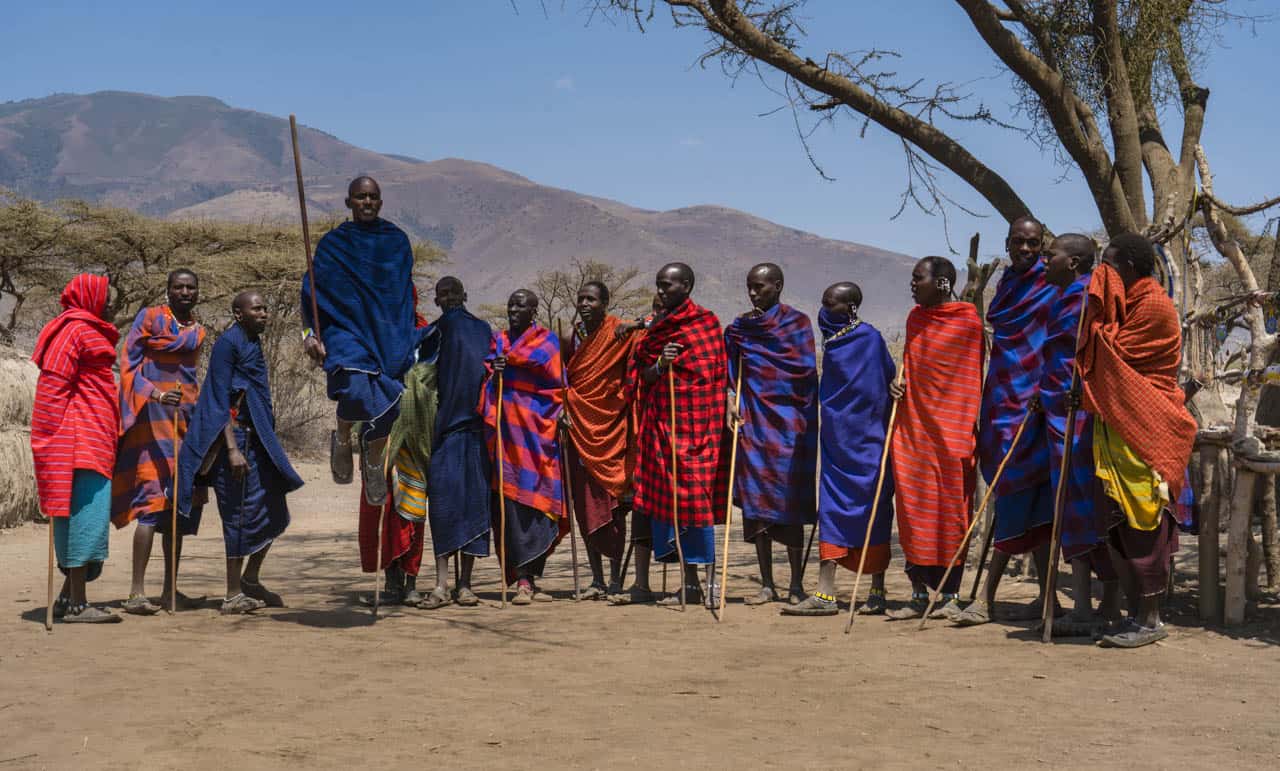 Each activity on this list has been handpicked from our personal favorites within the Masai Mara. While some are exclusive to specific camps within private conservancies, if there’s an experience you’re keen on—whether on or off our list—be sure to consult your Africa Safari Expert, who can arrange everything for you.
What is the Difference Between Masai and Maasai?
If you’ve been reading about the Masai Mara, you may have encountered two different spellings. “Maasai,” with a double ‘a,’ refers to the ethnic tribe and its people, with the word translating directly to “people who speak the Maa language.” On the other hand, “Masai,” spelled with a single ‘a,’ refers to the wildlife-rich region in Kenya.When Should I Visit the Masai Mara?
The ideal time to visit the Masai Mara depends on the activities you wish to engage in during your stay. That said, many lodges in the Masai Mara close their doors for the low season in March. The peak season runs from June to October; however, several experiences are available outside of this period if you prefer to avoid the crowds. From January through the end of March, the Mara remains free from the usual tourist crowds, with warm, dry weather perfect for enjoying a peaceful, crowd-free safari experience.The Best Things to Do in the Masai Mara
1. Game Drives in the Masai Mara
 A game vehicle sits amidst the Mara grasslands, observing elephants as they stroll just meters away.
The Masai Mara with Elephant Pepper Camp.
While waking up early may not be for everyone, the Mara’s landscapes are most captivating at sunrise. On your Kenya safari, you’ll experience two daily game drives, offering a chance to immerse yourself in the environment and witness a variety of safari animals.
In the morning, the stillness and quiet of the pre-dawn hours provide a peaceful atmosphere where wildlife enjoys the final moments of darkness before the sun rises. In the afternoon, the warmer temperatures create the perfect setting to watch the sun dip below the horizon, all while sipping a refreshing gin and tonic.
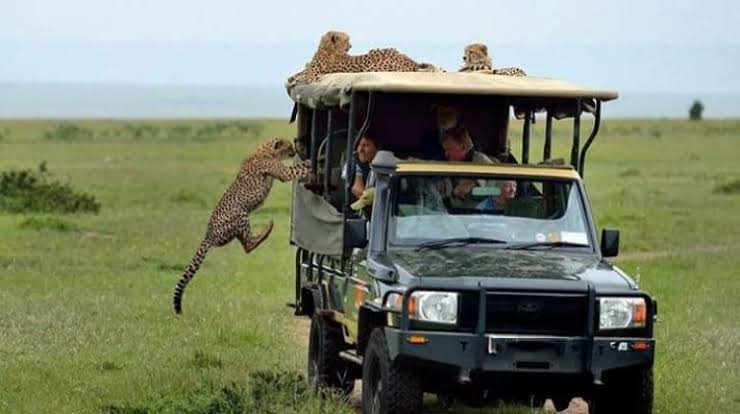
Game drives in open vehicles are where you’ll check off most of the sights on your list. The Masai Mara is celebrated as one of the world’s premier wildlife destinations—and with good reason. It is home to everything from big cats to the Big Five.
If you’re fortunate, you might even spot a rhino in the Mara Triangle. With over 450 bird species and an impressive array of big game, including giraffes, buffaloes, and elephants, the Mara offers unmatched wildlife encounters.
A game vehicle sits amidst the Mara grasslands, observing elephants as they stroll just meters away.
The Masai Mara with Elephant Pepper Camp.
While waking up early may not be for everyone, the Mara’s landscapes are most captivating at sunrise. On your Kenya safari, you’ll experience two daily game drives, offering a chance to immerse yourself in the environment and witness a variety of safari animals.
In the morning, the stillness and quiet of the pre-dawn hours provide a peaceful atmosphere where wildlife enjoys the final moments of darkness before the sun rises. In the afternoon, the warmer temperatures create the perfect setting to watch the sun dip below the horizon, all while sipping a refreshing gin and tonic.
Game drives in open vehicles are where you’ll check off most of the sights on your list. The Masai Mara is celebrated as one of the world’s premier wildlife destinations—and with good reason. It is home to everything from big cats to the Big Five.
If you’re fortunate, you might even spot a rhino in the Mara Triangle. With over 450 bird species and an impressive array of big game, including giraffes, buffaloes, and elephants, the Mara offers unmatched wildlife encounters.
2. Night Safaris in the Masai Mara
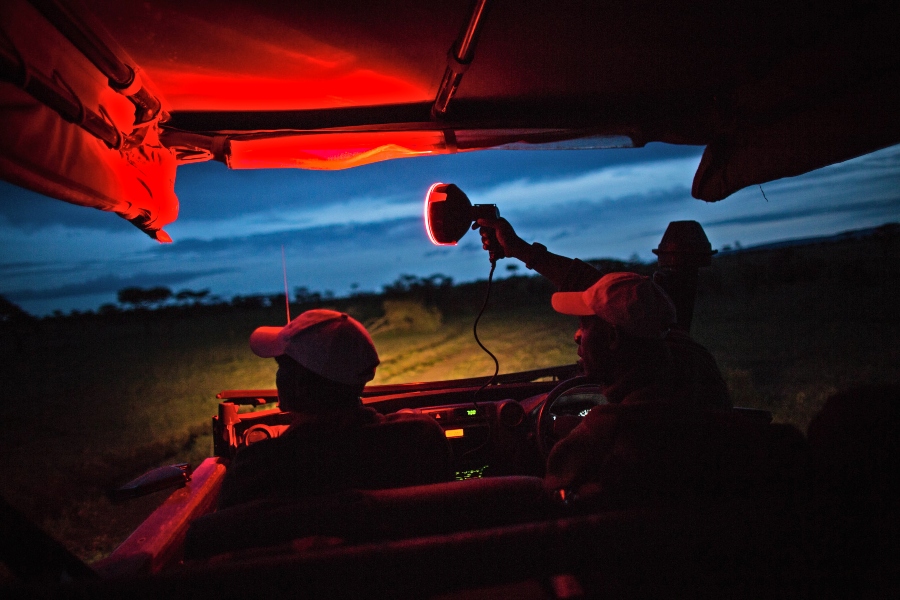 As the name suggests, night safaris begin after sunset, offering an entirely different experience compared to daytime game drives. In the still of the night, your senses become heightened, tuning into every small sound around you.
The shapes and shadows of nocturnal creatures appear and vanish almost instantaneously, evading the gaze of curious onlookers and nearby predators. The thrill of being in the bush at this time of day is electric.
It’s important to note that not all parks and conservancies offer night safaris, making them a particularly rare and special activity. Within the Masai Mara, a few of our select partner camps in the Mara Naboisho Conservancy provide night safaris as an exclusive experience.
As the name suggests, night safaris begin after sunset, offering an entirely different experience compared to daytime game drives. In the still of the night, your senses become heightened, tuning into every small sound around you.
The shapes and shadows of nocturnal creatures appear and vanish almost instantaneously, evading the gaze of curious onlookers and nearby predators. The thrill of being in the bush at this time of day is electric.
It’s important to note that not all parks and conservancies offer night safaris, making them a particularly rare and special activity. Within the Masai Mara, a few of our select partner camps in the Mara Naboisho Conservancy provide night safaris as an exclusive experience.
3. Hot Air Balloon Safaris in the Masai Mara
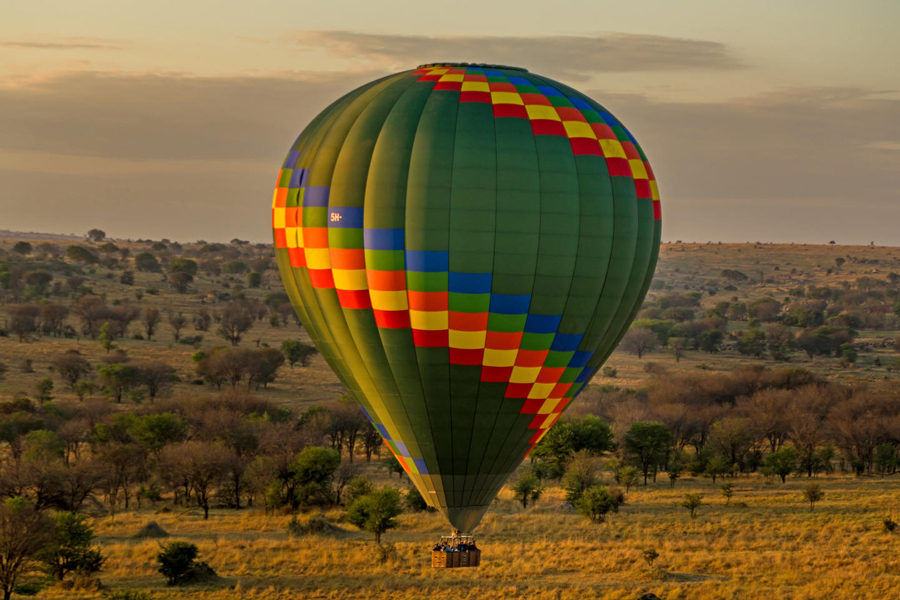 A hot air balloon floats gracefully over the Mara.
Enjoy unparalleled views of the Mara from a hot air balloon | Lemala Mara.
Hot air balloon safaris offer an unmatched experience, standing as one of the most unique activities in the Masai Mara. The excitement of venturing into the bush at dawn to take off with your pilot, when the air is still cool and the night’s blues transition into the warm oranges of the day, is truly special.
A hot air balloon safari in the Masai Mara provides unparalleled views of the landscape, from the golden grasslands to acacia woodlands and riverine forests. The balloon’s path often follows the winding Mara River, so if you’re lucky, you might witness a dramatic river crossing from the air! No balloon safari would be complete without celebrating with a champagne bush breakfast after your flight
A hot air balloon floats gracefully over the Mara.
Enjoy unparalleled views of the Mara from a hot air balloon | Lemala Mara.
Hot air balloon safaris offer an unmatched experience, standing as one of the most unique activities in the Masai Mara. The excitement of venturing into the bush at dawn to take off with your pilot, when the air is still cool and the night’s blues transition into the warm oranges of the day, is truly special.
A hot air balloon safari in the Masai Mara provides unparalleled views of the landscape, from the golden grasslands to acacia woodlands and riverine forests. The balloon’s path often follows the winding Mara River, so if you’re lucky, you might witness a dramatic river crossing from the air! No balloon safari would be complete without celebrating with a champagne bush breakfast after your flight
4. The Great Migration in the Masai Mara
 As one of the last great large-scale wildlife migrations on Earth, the Masai Mara Migration is a major highlight for travelers visiting East Africa. When the herds reach the Mara River, the famously dramatic and sometimes brutal river crossings occur. The wildebeest face hungry crocodiles and hippos in the turbulent waters, often with their young in tow.
Whether you wish to witness this incredible phenomenon from a game vehicle near the action (and away from the crowds in private conservancies) or soar above the Mara River’s route in a hot air balloon, the Masai Mara offers an unfiltered view of the awe-inspiring Great Wildebeest Migration.
As one of the last great large-scale wildlife migrations on Earth, the Masai Mara Migration is a major highlight for travelers visiting East Africa. When the herds reach the Mara River, the famously dramatic and sometimes brutal river crossings occur. The wildebeest face hungry crocodiles and hippos in the turbulent waters, often with their young in tow.
Whether you wish to witness this incredible phenomenon from a game vehicle near the action (and away from the crowds in private conservancies) or soar above the Mara River’s route in a hot air balloon, the Masai Mara offers an unfiltered view of the awe-inspiring Great Wildebeest Migration.
5. Horseback Safaris in the Masai Mara
 Two riders enjoy a horseback safari in the Masai Mara.
Experience the beauty of the Mara on horseback.
For those who prefer to venture off the beaten path and try something different, a horseback safari is one of the top bucket-list activities in the Masai Mara. If you visit during the Wildebeest Migration, you will have the extraordinary opportunity to ride alongside the zebra and wildebeest herds as they make their way from the Serengeti into the Mara. From the safety of your saddle, you can watch as the herds gallop ahead and cross rivers.
While the Migration is an unforgettable highlight, horseback safaris in Kenya also offer the chance to spot a variety of other big game, such as buffaloes and elephants, while taking in the stunning and ever-changing landscapes of the Mara. It is important to note that horseback safaris are recommended for experienced riders.
Two riders enjoy a horseback safari in the Masai Mara.
Experience the beauty of the Mara on horseback.
For those who prefer to venture off the beaten path and try something different, a horseback safari is one of the top bucket-list activities in the Masai Mara. If you visit during the Wildebeest Migration, you will have the extraordinary opportunity to ride alongside the zebra and wildebeest herds as they make their way from the Serengeti into the Mara. From the safety of your saddle, you can watch as the herds gallop ahead and cross rivers.
While the Migration is an unforgettable highlight, horseback safaris in Kenya also offer the chance to spot a variety of other big game, such as buffaloes and elephants, while taking in the stunning and ever-changing landscapes of the Mara. It is important to note that horseback safaris are recommended for experienced riders.
6. Cultural Encounters & Positive Impact in the Masai Mara
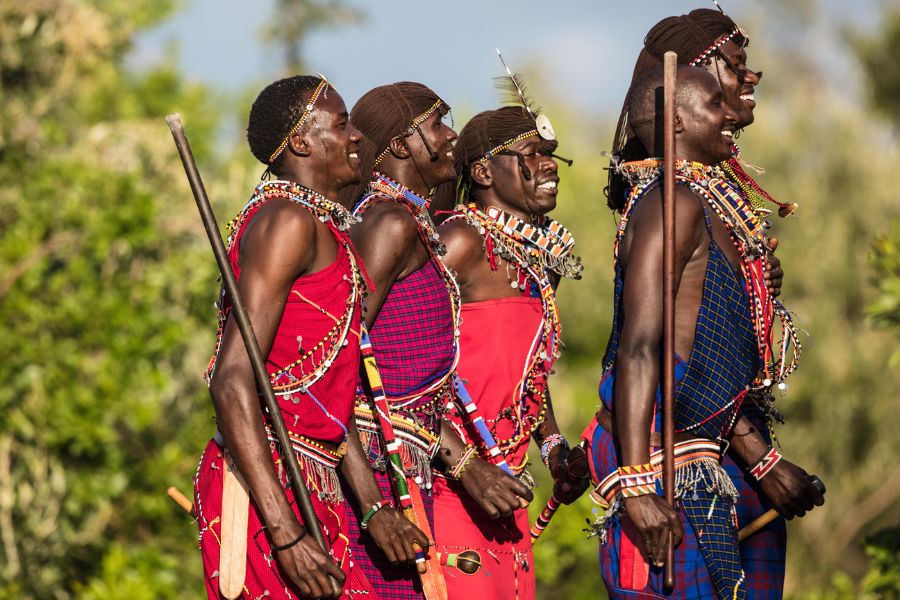 A group of Maasai stand adorned in their traditional attire at Angama Mara.
Spend an afternoon with Maasai warriors and immerse yourself in their rich cultural heritage. | Angama Mara.
Cultural encounters in the Masai Mara offer an unforgettable experience for travelers. The Maasai, an ethnic group indigenous to East Africa, are famed for their distinctive attire, which includes brightly colored fabrics and intricately beaded jewelry. They have preserved their traditional lifestyle, making them one of the few African tribes to continue practicing pastoralism and hunting. Primarily found in Kenya and northern Tanzania, the Maasai speak the Maa language and play a vital role in the region’s cultural identity.
A cultural visit provides an authentic and enriching opportunity to connect with the Maasai, gaining insight into their way of life and their deep connection with the land. Many Maasai work in local camps and lodges, including Asilia Africa’s properties, where staff and guides are often members of the Maasai community.
These lodges can arrange visits to Maasai villages, allowing you to meet local people, learn about their traditions, and experience their culture firsthand.
The Wildlife Tourism College of Maasai Mara (WTC) is a pivotal training center dedicated to enhancing employment prospects for young Maasai in Kenya. Building on the legacy of the Koiyaki Guiding School, the WTC offers education in nature guiding, hospitality management, and climate impact reduction, all aimed at improving job opportunities while supporting conservation efforts.
Located in the Pardamat Conservation Area, the college is committed to high employment rates for graduates, increased visitor engagement, and a focus on environmental and social research.
A group of Maasai stand adorned in their traditional attire at Angama Mara.
Spend an afternoon with Maasai warriors and immerse yourself in their rich cultural heritage. | Angama Mara.
Cultural encounters in the Masai Mara offer an unforgettable experience for travelers. The Maasai, an ethnic group indigenous to East Africa, are famed for their distinctive attire, which includes brightly colored fabrics and intricately beaded jewelry. They have preserved their traditional lifestyle, making them one of the few African tribes to continue practicing pastoralism and hunting. Primarily found in Kenya and northern Tanzania, the Maasai speak the Maa language and play a vital role in the region’s cultural identity.
A cultural visit provides an authentic and enriching opportunity to connect with the Maasai, gaining insight into their way of life and their deep connection with the land. Many Maasai work in local camps and lodges, including Asilia Africa’s properties, where staff and guides are often members of the Maasai community.
These lodges can arrange visits to Maasai villages, allowing you to meet local people, learn about their traditions, and experience their culture firsthand.
The Wildlife Tourism College of Maasai Mara (WTC) is a pivotal training center dedicated to enhancing employment prospects for young Maasai in Kenya. Building on the legacy of the Koiyaki Guiding School, the WTC offers education in nature guiding, hospitality management, and climate impact reduction, all aimed at improving job opportunities while supporting conservation efforts.
Located in the Pardamat Conservation Area, the college is committed to high employment rates for graduates, increased visitor engagement, and a focus on environmental and social research.
7. Enjoy Scenes Across Big Cat Territory in the Masai Mara
 Lion game viewing in Amboseli.
Majestic moments on the Mara: Kings of the wild, right before your eyes. | Amboseli.
Renowned as a premier big cat territory, the Masai Mara stands as one of the best locations in Africa for sightings of these magnificent predators. The Mara is home to one of the highest concentrations of lions in the world, with a population of approximately 850-900 individuals. It ranks second only to its neighboring Serengeti National Park, which boasts a lion population of around 3,000-4,000.
In addition to the Mara’s lions, the area is also home to around 300 cheetahs. Although this number may seem modest, it is significant considering there are fewer than 8,000 cheetahs remaining in the wild across Africa.
The Mara’s cheetah population plays a crucial role in safeguarding the species. While leopard sightings are not guaranteed, they are fairly common, and with some luck, you may have the opportunity to spot all three big cats during your explorations of the Masai Mara.
Lion game viewing in Amboseli.
Majestic moments on the Mara: Kings of the wild, right before your eyes. | Amboseli.
Renowned as a premier big cat territory, the Masai Mara stands as one of the best locations in Africa for sightings of these magnificent predators. The Mara is home to one of the highest concentrations of lions in the world, with a population of approximately 850-900 individuals. It ranks second only to its neighboring Serengeti National Park, which boasts a lion population of around 3,000-4,000.
In addition to the Mara’s lions, the area is also home to around 300 cheetahs. Although this number may seem modest, it is significant considering there are fewer than 8,000 cheetahs remaining in the wild across Africa.
The Mara’s cheetah population plays a crucial role in safeguarding the species. While leopard sightings are not guaranteed, they are fairly common, and with some luck, you may have the opportunity to spot all three big cats during your explorations of the Masai Mara.
8. Nature Walks through the Masai Mara
 Nature walks—also known as bush walks or walking safaris—offer a refreshing alternative to the typical game drive, providing a more personal and intimate way to connect with the wilderness. For this day activity, your guide and tracker will drive to a carefully chosen location, where they will park the vehicle before embarking on a walk through the bush. The routes are thoughtfully selected by experienced guides, and rangers are usually equipped with firearms to ensure safety.
While many of Kenya’s national parks and reserves do not permit walking safaris, certain private conservancies and camps—such as Asilia Africa’s Naboisho Camp in the Mara Naboisho Conservancy—can arrange exclusive bush walks for guests staying at their properties.
Nature walks—also known as bush walks or walking safaris—offer a refreshing alternative to the typical game drive, providing a more personal and intimate way to connect with the wilderness. For this day activity, your guide and tracker will drive to a carefully chosen location, where they will park the vehicle before embarking on a walk through the bush. The routes are thoughtfully selected by experienced guides, and rangers are usually equipped with firearms to ensure safety.
While many of Kenya’s national parks and reserves do not permit walking safaris, certain private conservancies and camps—such as Asilia Africa’s Naboisho Camp in the Mara Naboisho Conservancy—can arrange exclusive bush walks for guests staying at their properties.
9. Birdwatching in the Masai Mara
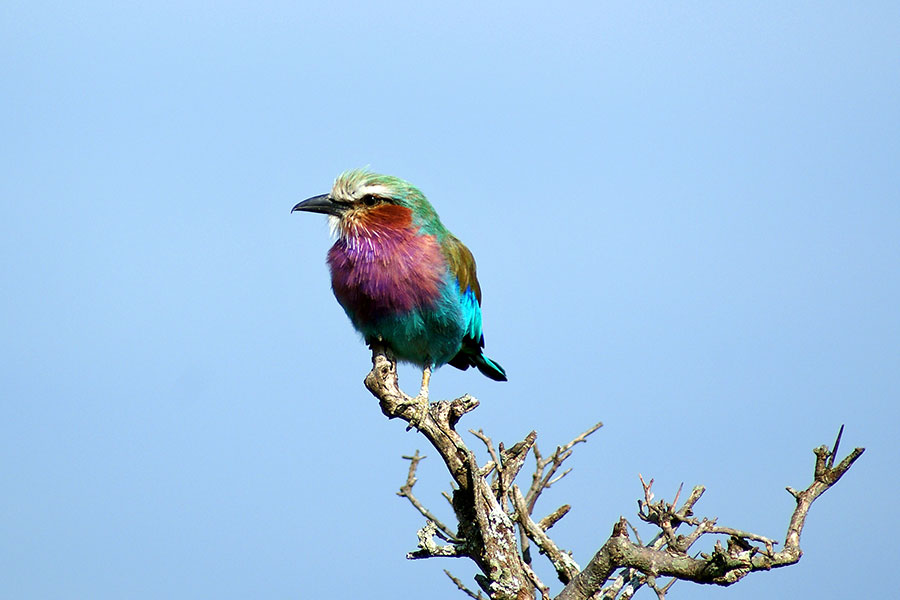 A Wild Lilac Breasted Roller by Ali Harvey.
Stay alert to the skies and treetops for unforgettable wildlife encounters. | Saruni Wild, Ali Harvey.
With approximately 470 to 500 bird species, the Masai Mara is a haven for birdwatchers. The Mara is a year-round birding destination, so no matter when you visit, you’re likely to encounter a variety of fascinating birdlife. However, the peak season for birdwatching is from late October to November, during the rainy season, when migratory birds arrive from Northern Africa and Europe.
In the grasslands, you can spot Ground Hornbills, Secretary Birds, and flocks of White Storks. The Mara River is home to seven species of kingfishers, along with the vibrant Ross’s and Schalow’s Turacos. For bird enthusiasts, the Musiara Marsh is a must-visit spot, home to rare species like the Rufous-bellied Heron and the endangered Madagascar Squacco Heron.
A Wild Lilac Breasted Roller by Ali Harvey.
Stay alert to the skies and treetops for unforgettable wildlife encounters. | Saruni Wild, Ali Harvey.
With approximately 470 to 500 bird species, the Masai Mara is a haven for birdwatchers. The Mara is a year-round birding destination, so no matter when you visit, you’re likely to encounter a variety of fascinating birdlife. However, the peak season for birdwatching is from late October to November, during the rainy season, when migratory birds arrive from Northern Africa and Europe.
In the grasslands, you can spot Ground Hornbills, Secretary Birds, and flocks of White Storks. The Mara River is home to seven species of kingfishers, along with the vibrant Ross’s and Schalow’s Turacos. For bird enthusiasts, the Musiara Marsh is a must-visit spot, home to rare species like the Rufous-bellied Heron and the endangered Madagascar Squacco Heron.
10. Fly Camping in the Masai Mara
 A guest sits outside their mobile camp in conversation with a Maasai tribesman at Encounter Mara Camp.
Delve further into the remote wilderness on a fly-camping adventure. | Encounter Mara Camp.
Fly camping offers a private and adventurous bush camping experience, available only through a select few camps. Your journey begins with a guided walking safari to a secluded, temporary camp, which will be set up in advance in preparation for your arrival. Led by an experienced and armed guide, this adventure allows you to truly connect with your surroundings as you make your way to the day’s destination, far from the main camp.
After a day filled with walking and wildlife encounters, you’ll relax around a campfire under the stars. Despite the ruggedness of the experience, you’ll still enjoy basic yet comfortable amenities, such as a cozy tent, a hot bucket shower, and a chef-prepared three-course dinner.
This is the perfect fusion of adventure and simplicity in the wild. This intimate overnight stay immerses you in the bush, offering a chance to experience the wilderness in one of the most authentic ways possible.
A guest sits outside their mobile camp in conversation with a Maasai tribesman at Encounter Mara Camp.
Delve further into the remote wilderness on a fly-camping adventure. | Encounter Mara Camp.
Fly camping offers a private and adventurous bush camping experience, available only through a select few camps. Your journey begins with a guided walking safari to a secluded, temporary camp, which will be set up in advance in preparation for your arrival. Led by an experienced and armed guide, this adventure allows you to truly connect with your surroundings as you make your way to the day’s destination, far from the main camp.
After a day filled with walking and wildlife encounters, you’ll relax around a campfire under the stars. Despite the ruggedness of the experience, you’ll still enjoy basic yet comfortable amenities, such as a cozy tent, a hot bucket shower, and a chef-prepared three-course dinner.
This is the perfect fusion of adventure and simplicity in the wild. This intimate overnight stay immerses you in the bush, offering a chance to experience the wilderness in one of the most authentic ways possible.